
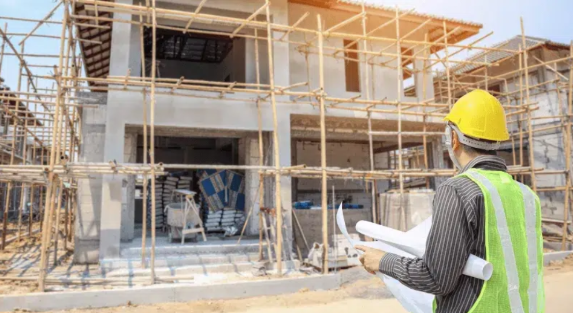
Introduction: Understanding Brisbane’s Unique Home-Building Landscape
Building a home is one of the most significant milestones in life, and in a city like Brisbane, the process comes with unique opportunities and equally unique challenges. Brisbane’s subtropical weather, zoning restrictions, flood-prone pockets, and rapidly growing residential market make it essential for homeowners to plan their construction journey with clarity, caution, and professional guidance. While working with experienced Builders in Brisbane can give you an edge, even the best builders cannot compensate for poor decisions, unclear expectations, or lack of preparation from the homeowner’s side. For many families, building a home is both a financial and emotional investment, meaning every choice—from selecting land to finalizing materials—shapes the long-term comfort and durability of the structure.
However, despite good intentions, many people unknowingly commit costly mistakes during the building process. These mistakes may lead to budget blowouts, legal complications, structural weaknesses, and design regrets. Brisbane’s environment requires smart planning, as the region’s humidity, temperature fluctuations, and heavy rains can impact construction quality if proper materials and designs are not chosen. Similarly, council regulations must be adhered to strictly to avoid rework or penalties that delay project completion. With so much at stake, understanding what to avoid is just as important as understanding what to do.
This article highlights some of the most common mistakes homeowners make when building a home in Brisbane. The goal is to provide clear, practical, and reliable insights that help you navigate your construction journey confidently. Each section explores a key mistake, why it happens, how it affects your project, and the best steps to avoid it. Whether you’re building your very first home or upgrading to a more modern space, avoiding these pitfalls will help ensure a smoother, more cost-effective, and more satisfying home-building experience.
1. Ignoring Brisbane’s Subtropical Climate
One of the most critical mistakes homeowners make when building in Brisbane is underestimating the impact of the region’s subtropical climate. Brisbane experiences warm temperatures, high humidity, and intense rainfall during the summer months. Without designing your home to adapt to these natural conditions, you may face long-term problems such as mould growth, excessive heat buildup, and weakened structural components. Many new homeowners focus heavily on aesthetics or trending styles without considering whether those materials or designs suit Brisbane’s climate. For example, using low-quality roof materials or poor insulation may result in discomfort during Brisbane’s hot summers and vulnerability during storm seasons.
Proper ventilation is another critical component often overlooked. In humid regions like Brisbane, airflow is essential to maintaining indoor comfort and reducing moisture buildup. Many older homes in the area feature high ceilings and wide windows for a reason—these designs promote natural cooling. Modern homes should follow similar principles, integrating cross-ventilation, heat-reflective roofing, and adequate shading solutions. Choosing Builders in Brisbane who understand these regional climate needs can help you incorporate the right materials and structural features into the initial design rather than making expensive adjustments later.
Stormwater drainage is another area that cannot be ignored. Brisbane’s heavy rains can overwhelm poorly designed systems, leading to flooding, foundation issues, and landscape damage. A proper drainage plan should account for rainfall intensity, land slope, and water runoff patterns. High-quality waterproofing for roofs, basements, bathrooms, balconies, and external walls is non-negotiable in a climate like Brisbane’s. Ultimately, recognizing the influence of the subtropical climate ensures your home remains durable, comfortable, and resilient all year round.
2. Choosing the Wrong Builder
Selecting the right builder is one of the most pivotal decisions during your home-building journey, yet many homeowners rush this step. Choosing the wrong builder can result in poor workmanship, lack of accountability, delays, and inflated costs. In Brisbane, where construction requirements vary based on climate, council restrictions, and land conditions, working with an inexperienced builder can create long-term complications. Many people make the mistake of choosing a builder solely based on price or promotional offers, overlooking essential factors like track record, communication style, and professional credentials.
Before hiring any Brisbane home builder, conduct a thorough background check. Review their past projects in the Brisbane area, especially those completed in neighbourhoods with similar environmental or zoning characteristics. Ask for references from previous clients and inquire about their experience with the builder’s communication, reliability, and problem-solving approach. Checking whether the builder holds valid licenses, insurance, and certifications is vital. A builder without these qualifications may leave you vulnerable to legal and financial risks.
Transparency is another key factor. A trustworthy builder will provide clear timelines, detailed cost breakdowns, and written contracts that outline expectations and responsibilities. If a builder avoids answering questions, gives vague estimates, or pressures you to sign quickly, consider it a red flag. Additionally, evaluate how well the builder listens to your vision and whether they provide professional suggestions for improvement. A good builder collaborates, communicates, and consistently prioritizes quality and safety over shortcuts.
Ultimately, choosing the right builder sets the tone for your entire project. It influences construction quality, budget accuracy, stress levels, and the final satisfaction you derive from your new home. Prioritize experience, reliability, and honesty over the lowest price, and you’ll reduce the likelihood of encountering costly mistakes later.
3. Failing to Understand Council Regulations
Brisbane City Council has specific regulations governing construction activities, and failing to comply with them is a common and costly mistake. Every suburb has its own set of zoning restrictions, flood overlays, bushfire safety requirements, setback limits, and height regulations. Homeowners often assume that their builder will handle all approvals, but misunderstandings can occur, leading to delays, fines, or even the need to redesign entire sections of the project. Understanding the basics of council regulations is crucial to ensuring your building process runs smoothly.
For instance, Brisbane has strict rules around building in flood-prone zones. Properties located near creeks, rivers, or low-lying areas must adhere to additional elevation, drainage, and structural reinforcement standards. Builders familiar with these local requirements can guide you on how to design a safe and compliant home. Similarly, heritage-listed properties or neighbourhoods with character overlays require homeowners to preserve certain architectural elements, restricting the types of materials or designs allowed.
Setback rules—how far your home must be from boundaries or roads—are another area where mistakes frequently occur. Building too close to the property line can lead to council objections or forced demolition of non-compliant structures. Home extensions, pool installations, and deck constructions must also meet these guidelines. Additionally, building approvals such as Development Applications (DA) or Building Approvals (BA) may require detailed plans and reports.
To avoid complications, always consult with builders or town planners who have experience working within Brisbane City Council regulations. Ensure that all permits are approved before construction begins, and keep a transparent communication channel with your building team throughout the application process. By understanding and respecting these local rules, you can prevent costly delays and ensure a smoother building experience.
4. No Clear Budget or Contingency Planning
Many homeowners embark on their home-building journey without establishing a clear and realistic budget. This is one of the most common mistakes that lead to financial stress, project delays, and incomplete work. In Brisbane, construction costs can vary significantly depending on material availability, labour demand, land conditions, and design complexity. Without a detailed budget, homeowners often underestimate costs, leading to mid-project financial shortages or the need to compromise on quality.
A proper budget should include not just construction costs but also site preparation fees, council approval charges, utility installations, landscaping, interior fit-outs, and unexpected expenses. Many first-time homeowners forget to factor in long-term maintenance costs, especially given Brisbane’s climate, which may require additional waterproofing, sturdier roofing materials, and durable exterior finishes. These factors must be included during the planning phase to prevent financial surprises later.
Contingency planning is equally important. A buffer fund—typically 10–15% of the total budget—is essential to manage unexpected expenses such as material price hikes, labour shortages, or necessary design changes. Brisbane’s construction market is dynamic, and weather-related delays can further increase costs if additional labour hours or protection measures are required.
Working closely with experienced Builders in Brisbane can help you understand realistic cost expectations. They can provide detailed quotes, highlight potential cost risks, and guide you in selecting materials that balance quality and affordability. Avoid verbal agreements; insist on written contracts with itemized pricing to eliminate ambiguity.
Ultimately, a clear budget supported by contingency planning is the foundation of a smooth construction journey. It keeps your financial expectations aligned with project realities and minimizes stress, ensuring that your home-building experience remains positive and manageable.
5. Overlooking Proper Site Assessment
Ignoring site assessment is another mistake that can severely affect the quality, safety, and cost of your home construction in Brisbane. Every piece of land is unique, and factors such as soil type, slope, drainage capacity, and exposure to environmental elements must be evaluated before building begins. Brisbane has a mix of flat, sloping, and uneven terrains, each requiring a different approach to foundation design and structural planning. Failing to conduct a proper site assessment may result in foundation issues, water pooling, erosion, or compromised structural integrity.
Soil testing is one of the first assessments that should be carried out. This determines the soil’s reactivity and load-bearing capacity, which directly affects the type of foundation required. For example, clay-heavy soils may expand during wet seasons and shrink during dry seasons, leading to movement that impacts the home’s stability. Builders familiar with Brisbane’s terrain can help you understand soil results and choose the right foundation type.
The slope or gradient of the land also plays a crucial role. While sloping sites can offer beautiful views, they often require retaining walls, specialized drainage systems, and reinforced foundations. Without proper planning, construction costs can skyrocket unexpectedly. Drainage assessment is equally important, especially given Brisbane’s tendency to experience heavy rainfall. A poorly drained site can cause flooding, basement leaks, and long-term structural damage.
Environmental factors such as sunlight direction, wind exposure, and natural shading also influence design choices. Understanding these elements ensures that your home is energy-efficient and comfortable year-round. Conducting a comprehensive site assessment early in the process allows you to identify potential challenges and plan accordingly. Ultimately, a detailed site analysis ensures the safety, stability, and long-term durability of your Brisbane home.
6. Poor Communication With Builders
Clear communication is essential when building a home, yet it is one of the most commonly neglected aspects of the construction process. Misunderstandings, unclear instructions, and lack of documentation can lead to significant issues such as design inconsistencies, timeline delays, and cost overruns. When working with Builders in Brisbane, maintaining open, transparent, and consistent communication ensures that both parties share the same understanding of expectations, responsibilities, and progress.
Many homeowners assume builders automatically understand their vision, but this is rarely the case unless everything is explicitly discussed. Changes in design, materials, or layout should always be communicated early and documented in writing. Verbal agreements often lead to disputes or forgotten requests. Requesting a detailed project timeline from your builder helps set clear expectations about milestones, deadlines, and potential delays.
Regular site meetings are also essential, especially in long-term projects. Visiting the site allows you to observe progress firsthand, ask questions, and address issues promptly. It also helps ensure that the construction aligns with the agreed-upon design. If you notice any discrepancies, bringing them up immediately prevents costly rework later.
Builders also appreciate homeowners who communicate respectfully and realistically. While it’s important to express concerns, it’s equally important to trust your builder’s expertise. Good builders provide insights on material suitability, climate considerations, and building best practices in Brisbane.
Inadequate communication may also affect budgeting. If additional work is required due to unclear instructions, it may incur unplanned expenses. Keeping all communication structured, documented, and transparent reduces misunderstandings and ensures that both the homeowner and builder are working toward the same goal.
Ultimately, effective communication forms the backbone of a smooth building experience, fostering a collaborative relationship that leads to a successful and high-quality home construction project.
7. Compromising on Quality to Save Costs
While budget consciousness is important, compromising on quality during construction is a mistake that often leads to greater expenses in the long run. Many homeowners choose cheaper materials, inexperienced labour, or shortcuts in design to stay within their budget. However, in Brisbane—where humidity, heat, and heavy rains are common—low-quality materials can deteriorate faster, resulting in costly repairs, decreased home value, and ongoing maintenance challenges.
Builders often warn against selecting the lowest bid without evaluating the quality of materials and workmanship included. A quote that seems “too good to be true” often sacrifices durability, safety, or compliance with Brisbane’s building standards. For example, opting for low-cost roofing materials may lead to leaks during storm seasons. Similarly, using cheap waterproofing products may result in mould, dampness, or structural weakening. Over time, repairing these issues can far exceed the initial cost of choosing higher-quality options.
Choosing reputable Builders in Brisbane ensures you work with professionals who prioritize long-term value over short-term savings. They can recommend materials that are durable, energy-efficient, and suitable for Brisbane’s climate. Investing in strong foundations, high-quality insulation, and reliable electrical and plumbing systems prevents future problems and enhances your home’s lifespan.
In addition to materials, quality workmanship is equally important. Skilled tradespeople ensure precision, safety, and adherence to industry standards. Poor craftsmanship may lead to uneven flooring, cracks in walls, faulty wiring, or plumbing leaks, all of which can compromise safety and comfort.
Ultimately, while it may seem tempting to cut costs, prioritizing quality ensures your home remains safe, comfortable, and durable. A well-built home saves money over time through reduced maintenance, fewer repairs, and higher resale value.
8. Ignoring Energy Efficiency
Energy efficiency is no longer a luxury—it is a necessity, especially in a city like Brisbane where electricity usage can spike due to high temperatures and humidity. Yet many homeowners overlook energy-efficient designs and materials during the construction process. This oversight not only increases monthly bills but also reduces indoor comfort and places unnecessary strain on electrical systems.
Energy efficiency begins with thoughtful design. Factors such as window orientation, insulation quality, shading, and natural ventilation significantly affect your home’s cooling and heating needs. For example, positioning living spaces to receive natural breezes while minimizing direct sunlight can reduce reliance on air-conditioning. Incorporating wide eaves, shade sails, or pergolas helps protect your home from Brisbane’s harsh summer sun.
Modern building materials also contribute to energy savings. Double-glazed windows, heat-reflective roofing, and high-quality insulation keep your home cooler in summer and warmer in winter. Installing solar panels is another effective way to reduce electricity costs. Given Brisbane’s abundant sunshine, solar systems can significantly lower long-term utility expenses.
Builders familiar with sustainable construction techniques can guide you on selecting energy-efficient materials that align with your budget and climate needs. They can help you incorporate smart home technologies such as energy-efficient lighting, automated blinds, and programmable thermostats that optimize indoor comfort.
Ignoring energy-efficient planning may also impact your home’s resale value. In Brisbane’s competitive housing market, buyers increasingly prefer homes with sustainability features. Regulatory bodies also encourage green building practices, meaning energy-efficient homes may qualify for certain incentives.
Ultimately, prioritizing energy efficiency not only reduces operational costs but also enhances your home’s overall comfort, sustainability, and environmental impact.
9. Not Planning for Future Needs
Many homeowners design their dream home based solely on their current needs, forgetting that family dynamics, lifestyles, and work requirements evolve over time. Failing to plan for future needs can result in expensive renovations, space limitations, and functional inconveniences within a few years of moving in. In Brisbane, where property values are rising and extensions can be costly, designing with a forward-thinking approach is essential.
Consider potential future scenarios: Will your family grow? Will you need additional bedrooms, a home office, or recreational spaces? Will aging parents live with you someday? Do you plan to upgrade outdoor areas for entertaining or relaxation? Addressing these questions early helps guide design decisions that accommodate long-term needs.
For example, incorporating adaptable floor plans allows for easier modifications in the future. Flexible spaces, multi-purpose rooms, and open layouts can evolve with your family’s lifestyle. Builders can help you integrate structural provisions such as extra plumbing lines, reinforced walls, or electrical outlets that support future expansions without significant reconstruction.
In Brisbane, outdoor living is a major part of lifestyle preferences. Planning for outdoor entertainment areas, garden spaces, or pool installations during the initial design phase can save time and money later. Additionally, future-proofing should include energy-efficient upgrades, smart home technologies, and sustainable materials that align with evolving market trends.
Storage is another commonly overlooked factor. Adequate built-in storage, garage space, and utility areas play a crucial role in maintaining an organized home. Planning for future needs ensures you avoid overcrowding and maintain functional living conditions.
Ultimately, designing with the future in mind maximizes long-term convenience, saves renovation costs, and increases property value. A well-planned home grows with you and continues to meet your needs for years to come.
10. Rushing the Building Process
In the excitement of building a new home, many homeowners become impatient, wanting the project completed as quickly as possible. However, rushing the building process is a major mistake that often leads to compromised quality, overlooked details, and costly rework. Building a durable, safe, and well-designed home in Brisbane requires careful planning, precise execution, and adequate time for each construction phase.
Weather plays a significant role in Brisbane’s construction timelines. Heavy rains or storms can delay outdoor work, affect concrete curing times, and disrupt schedules. Pushing builders to work faster during unfavourable weather not only risks structural integrity but may also result in poor workmanship. Builders need time to ensure each stage—from foundation laying to roofing and internal finishes—meets safety and quality standards.
Rushing decisions is another common problem. Many homeowners make last-minute changes to materials, layouts, or features without fully considering long-term implications. These impulsive decisions can disrupt workflow, increase costs, and compromise the final design. Taking the time to review plans thoroughly before construction begins reduces the likelihood of mid-project changes.
Additionally, inspections are mandatory at various stages to ensure compliance with Brisbane’s building codes. These checks cannot be skipped or rushed. Quality assurance requires time, attention, and expertise. Attempting to speed up the process may result in failed inspections and forced rework.
Working with experienced Builders in Brisbane helps set realistic timelines and expectations. Good builders prioritize quality over speed and provide regular updates to keep you informed. Allowing sufficient time for each construction phase ultimately delivers a safer, stronger, and more comfortable home.
While the desire for quick results is understandable, patience ensures that your dream home is built to last—without the hidden issues that rushed construction often brings.
Conclusion: Building Smart for a Better Future
Building a home in Brisbane is an exciting milestone, but it comes with a unique set of challenges that require careful planning and informed decisions. The journey becomes smooth and rewarding when you understand the common pitfalls and intentionally avoid them. Brisbane’s subtropical climate, local council regulations, diverse land conditions, and evolving market trends all play a crucial role in shaping the home-building experience. By paying attention to these factors, you create a space that is not only beautiful but also durable, energy-efficient, and suited to your long-term needs.
Working with experienced and reputable Builders in Brisbane ensures that your home is constructed with quality, safety, and compliance at the forefront. From choosing the right materials and understanding council guidelines to prioritizing communication and future-proofing, every decision contributes to the final outcome. Avoiding shortcuts, planning realistic budgets, and investing in proper site assessments all help prevent costly mistakes and unnecessary stress.
Your dream home should be a reflection of your lifestyle, values, and long-term goals. Taking the time to understand what to avoid allows you to build stronger, smarter, and more sustainably. Whether you’re constructing your first home or upgrading to a more sophisticated design, thoughtful planning leads to a more fulfilling home-building journey.
By avoiding these common mistakes, you not only protect your investment but also enhance your home’s comfort, functionality, and value. A well-built home stands the test of time and provides security and satisfaction for years to come. With the right strategy and the right team, your Brisbane home can truly become a long-lasting haven tailored perfectly to your needs.
