
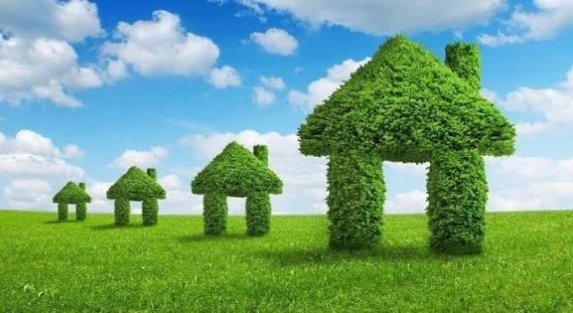
Real estate development plays an important role in shaping modern cities and communities. From residential homes and apartment complexes to commercial buildings and mixed-use developments, every construction project has an impact on the surrounding environment. As cities continue to grow, the need for responsible and sustainable property development has become more important than ever.
Today, buyers, investors, and communities are paying closer attention to how properties are designed, constructed, and maintained. They are not just looking for attractive buildings but also want spaces that support healthier lifestyles, use resources efficiently, and minimise environmental damage.
For every real estate developer in Brisbane, adopting environmentally responsible construction practices is becoming an important part of creating properties that offer long-term value while contributing to a more sustainable future.
But what practical steps can developers take to reduce their environmental footprint? Let’s explore some of the most effective approaches.
1. Choose Sustainable Construction Materials
One of the most effective ways to reduce the environmental impact of a development project is by choosing sustainable building materials.
Traditional construction materials can require significant energy and natural resources during manufacturing and transportation. By exploring environmentally friendly alternatives, developers can reduce waste, conserve resources, and improve the overall sustainability of their projects.
Some sustainable material options include:
- Recycled steel and aluminium.
- Responsibly sourced timber.
- Recycled concrete and aggregates.
- Low-carbon concrete alternatives.
- Eco-friendly insulation materials.
- Low-VOC paints and finishes.
Using durable materials is equally important. Materials that last longer require fewer replacements, helping reduce maintenance costs and unnecessary waste over the building’s lifetime.
For property developers in Brisbane, selecting materials suited to Queensland’s climate can also improve building performance and long-term durability.
2. Focus on Energy-Efficient Building Design
Energy consumption is another major consideration in sustainable property development. Buildings that rely heavily on artificial lighting, heating, and cooling can contribute to higher energy usage and increased carbon emissions.
Developers can address this challenge by incorporating energy-efficient features from the initial design stage.
Some practical improvements include:
- Designing layouts that maximise natural daylight.
- Installing energy-efficient windows and glazing.
- Improving insulation to maintain comfortable indoor temperatures.
- Incorporating LED lighting.
- Using energy-efficient heating and cooling systems.
- Considering rooftop solar panels.
In Brisbane, where summers can be hot and humid, climate-responsive design is particularly valuable. Proper ventilation, shading, insulation, and building orientation can help reduce dependence on air conditioning.
These improvements can make properties more comfortable for occupants while potentially lowering ongoing energy expenses.
3. Reduce Construction Waste
Construction and demolition activities generate significant amounts of waste. Materials such as timber, concrete, metal, packaging, and plasterboard can end up in landfills when they are not properly managed.
Responsible waste management should therefore be a priority throughout the development process.
Real estate developers can minimise construction waste through several practical measures:
Plan Material Requirements Carefully: Accurate project planning helps prevent overordering and reduces unused materials.
Reuse Existing Materials: Where practical and safe, materials from existing structures can be recovered and reused.
Separate Construction Waste: Dedicated recycling areas make it easier to sort timber, metals, concrete, cardboard, and other recyclable materials.
Work With Recycling Providers: Partnering with appropriate waste management companies can help divert reusable materials from landfills.
Monitor Waste Generation: Regular inspections and waste tracking help identify areas where improvements are needed.
For a property development company in Brisbane, implementing a structured waste management plan can improve site efficiency while supporting more responsible construction practices.
4. Incorporate Water-Saving Solutions
Water conservation is another important aspect of environmentally responsible development. Residential and commercial buildings require water for everyday activities, landscaping, cleaning, and maintenance.
Developers can reduce unnecessary water consumption by incorporating efficient fixtures and water management systems into their projects.
Consider the following solutions:
- Installing water-efficient taps and showerheads.
- Using dual-flush toilets.
- Incorporating rainwater harvesting systems.
- Installing water-efficient appliances.
- Designing landscapes with drought-tolerant plants.
- Using smart irrigation systems to prevent unnecessary watering.
Rainwater harvesting can be particularly useful for garden irrigation and other suitable non-drinking purposes.
These features help conserve valuable water resources while potentially reducing water expenses for property owners and occupants.
5. Protect Green Spaces and Local Biodiversity
Property development should consider more than the building itself. The surrounding environment, including trees, vegetation, soil, and local wildlife, also deserves attention.
Removing unnecessary vegetation and disturbing natural habitats can negatively affect local ecosystems.
Developers can reduce these impacts by incorporating environmentally sensitive planning practices, such as:
- Preserving existing mature trees wherever possible.
- Maintaining natural vegetation and green spaces.
- Incorporating landscaped gardens and rooftop greenery.
- Protecting waterways and natural drainage areas.
- Selecting native plants suited to the local climate.
- Minimising soil erosion during construction.
Brisbane’s subtropical environment provides opportunities to incorporate attractive outdoor spaces that support local biodiversity.
Thoughtfully designed landscaping can also improve outdoor comfort, provide shade, and contribute to healthier neighbourhoods.
6. Adopt Sustainable Site Planning and Development Practices
Environmental responsibility begins long before construction work starts. The location, orientation, layout, and overall planning of a development can significantly influence its environmental footprint.
Developers should assess the site’s existing conditions before finalising construction plans.
Important considerations include:
Site Selection: Consider locations with access to public transport, essential services, and existing infrastructure.
Building Orientation: Position buildings to make better use of natural light and ventilation while managing heat exposure.
Stormwater Management: Incorporate suitable drainage systems, rain gardens, and permeable surfaces to manage rainwater runoff.
Land Use Efficiency: Make thoughtful use of available land while minimising unnecessary environmental disturbance.
For real estate developers in Brisbane, understanding local planning requirements, environmental conditions, and development regulations is essential to creating responsible projects.
7. Use Smart Technology to Improve Building Performance
Technology is creating new opportunities for more sustainable property development. Smart building systems allow property owners and occupants to monitor and manage resource consumption more effectively.
Some technologies worth considering include:
- Smart energy monitoring systems.
- Automated lighting controls.
- Intelligent heating and cooling systems.
- Smart water monitoring solutions.
- Solar energy management systems.
- Building automation technology.
For example, automated lighting can switch off when spaces are unoccupied, while smart thermostats can help maintain comfortable indoor temperatures without unnecessary energy consumption.
By integrating these technologies during the design and construction stages, developers can create buildings that are more efficient, functional, and adaptable to future requirements.
8. Work With Environmentally Responsible Contractors and Suppliers
Sustainable development is a collaborative process. Even with the best architectural plans, achieving environmental goals can be difficult without the right contractors, suppliers, and construction partners.
Developers should work with professionals who understand sustainable building practices and are committed to responsible construction.
Before selecting contractors or suppliers, consider their:
- Experience with sustainable construction projects.
- Material sourcing and waste management practices.
- Understanding of environmental regulations.
- Commitment to energy and resource efficiency.
- Ability to meet project sustainability objectives.
Building a reliable network of environmentally conscious partners can help ensure that sustainability remains a priority throughout the development lifecycle.
Why Sustainable Property Development Matters for Brisbane’s Future
Brisbane continues to evolve as a growing city, creating opportunities for residential, commercial, and mixed-use property development. However, development should also consider the environmental responsibilities that come with urban growth.
Sustainable construction is not simply about following environmental trends. It is about creating properties that are practical, resource-efficient, durable, and better suited to future needs.
For developers, adopting sustainable practices can offer several potential benefits:
- Lower energy and water consumption.
- Reduced construction waste.
- Improved building durability.
- More comfortable living and working environments.
- Better alignment with evolving environmental expectations.
- Greater appeal among environmentally conscious buyers and tenants.
A forward-thinking real estate developer in Brisbane understands that successful development involves balancing commercial objectives with environmental responsibility and the long-term needs of the community.
Conclusion
Reducing the environmental impact of real estate development requires thoughtful decisions at every stage, from site selection and architectural planning to material sourcing, construction, and ongoing building management.
By choosing sustainable materials, improving energy efficiency, conserving water, reducing construction waste, and protecting natural surroundings, developers can make a meaningful contribution to a more sustainable built environment.
As Brisbane continues to grow, responsible property development will play an increasingly important role in shaping its future.
Whether you are planning a residential project, exploring commercial development opportunities, or looking to invest in a new property, choosing a developer who values quality, sustainability, and responsible planning can make a real difference.
Looking for a property development partner in Brisbane?
Connect with an experienced property development team to discuss your project requirements, explore sustainable development opportunities, and take the next step towards creating a property designed for long-term value.
