
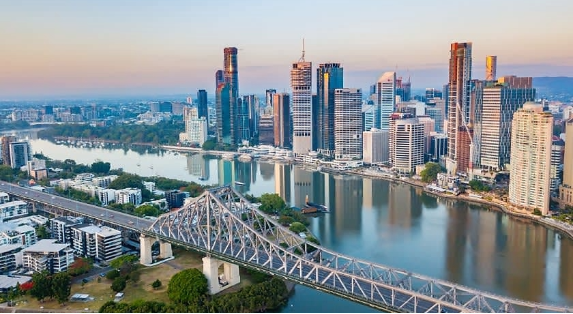
Introduction: Infrastructure as the Backbone of Brisbane’s Property Boom
In Brisbane, infrastructure development has become the central force shaping the trajectory of the real estate sector. Over the past decade, the city has transitioned from a steady-growth market into a high-potential investment hub, largely due to government-backed infrastructure initiatives. For real estate property developers in Brisbane, this transformation is not incidental—it is strategic, measurable, and deeply influential in decision-making processes.
Infrastructure projects such as transport networks, urban regeneration schemes, and Olympic-driven developments are redefining how land is valued and utilized. Accessibility, connectivity, and convenience now play a dominant role in determining the viability of residential and commercial developments. As a result, every real estate developer in Brisbane must evaluate infrastructure pipelines alongside traditional metrics like location and demand.
Moreover, infrastructure investment instills confidence among investors and homebuyers alike. When buyers see improved connectivity, reduced commute times, and enhanced public amenities, their willingness to invest increases significantly. This directly translates into higher demand, faster project absorption rates, and improved returns for developers.
Developers such as Milan Property Group are leveraging these dynamics by aligning their projects with upcoming infrastructure corridors. This proactive approach allows them to stay ahead of market trends while delivering value-driven developments.
Ultimately, infrastructure is no longer a secondary consideration—it is the foundation upon which Brisbane’s property future is being built. Understanding its impact is essential for anyone involved in the city’s real estate ecosystem.
Major Infrastructure Projects Reshaping Brisbane
Brisbane’s rapid evolution is being fueled by a series of large-scale infrastructure projects that are redefining urban mobility and economic activity. These projects are not only enhancing the city’s functionality but also creating new opportunities for real estate property developers in Brisbane to capitalize on emerging growth corridors.
One of the most significant developments is the Cross River Rail project, which is set to revolutionize public transport by improving connectivity between key parts of the city. By reducing congestion and travel times, it is making previously overlooked suburbs more accessible and attractive for development. Similarly, the Brisbane Metro project is modernizing the city’s bus network, offering high-frequency services that enhance suburban connectivity.
In addition to transport infrastructure, preparations for the 2032 Olympic Games are driving unprecedented investment in urban development. Stadium upgrades, athlete villages, and supporting infrastructure are transforming Brisbane into a global city. For every real estate developer in Brisbane, these projects represent a unique opportunity to align developments with long-term growth trends.
These infrastructure initiatives are also creating ripple effects across the property market. Areas surrounding new transport hubs are witnessing increased demand, higher property prices, and greater investor interest. Developers are strategically acquiring land in these zones to maximize future returns.
Organizations like Milan Property Group are closely monitoring these developments, ensuring their projects are positioned in high-growth areas. By integrating infrastructure insights into their planning, they are able to deliver projects that meet both current and future market demands.
Emerging Hotspots and Location Strategy
Infrastructure expansion is fundamentally altering Brisbane’s property map, creating new hotspots that were previously underutilized or undervalued. For real estate property developers in Brisbane, identifying these emerging locations early is critical to gaining a competitive advantage.
Suburbs located along new transport corridors or near major infrastructure projects are experiencing rapid growth. Improved accessibility makes these areas more appealing to both homebuyers and investors, leading to increased demand and rising property values. Transit-oriented developments, which focus on building communities around transport hubs, are becoming a dominant trend.
This shift is encouraging developers to move beyond traditional inner-city locations and explore opportunities in outer suburbs. These areas often offer lower land acquisition costs while benefiting from infrastructure-driven growth. As a result, they present attractive opportunities for large-scale residential and mixed-use developments.
Every real estate developer in Brisbane must now adopt a data-driven approach to location strategy. This involves analyzing infrastructure plans, population growth trends, and future demand projections. Developers who fail to do so risk missing out on high-growth opportunities.
Companies like Milan Property Group are leveraging advanced market insights to identify and invest in these emerging hotspots. Their ability to anticipate growth patterns allows them to deliver projects that align with evolving market dynamics.
In essence, infrastructure is redefining what constitutes a “prime location” in Brisbane. Developers who understand this shift are better positioned to succeed in an increasingly competitive market.
Impact on Residential and Commercial Development
Infrastructure projects are significantly influencing both residential and commercial property development in Brisbane. For real estate property developers in Brisbane, this impact is shaping everything from design and planning to pricing and marketing strategies.
On the residential front, there is a growing demand for properties located near transport hubs and essential amenities. Buyers are increasingly prioritizing convenience, leading to a rise in apartment developments and mixed-use communities. Walkability, connectivity, and access to public transport are now key selling points.
At the same time, commercial development is undergoing a transformation. Infrastructure improvements are encouraging businesses to move beyond the central business district, creating new commercial hubs in well-connected suburbs. This decentralization is opening up opportunities for developers to create office spaces, retail centers, and integrated developments in emerging areas.
For every real estate developer in Brisbane, this shift requires a more holistic approach to development. Projects must cater to both residential and commercial needs while aligning with infrastructure trends.
Developers such as Milan Property Group are embracing this integrated approach, delivering projects that combine residential, commercial, and lifestyle elements. This not only enhances the value of their developments but also meets the evolving expectations of modern buyers and businesses.
Ultimately, infrastructure is driving a more connected and dynamic property market, where successful developments are those that align with broader urban planning goals.
Investment Opportunities, Challenges, and Future Outlook
The influence of infrastructure on Brisbane’s property market is creating a wealth of opportunities for developers and investors, while also introducing new challenges. For real estate property developers in Brisbane, navigating this landscape requires a strategic and forward-thinking approach.
From an investment perspective, infrastructure projects offer significant potential for capital appreciation. Properties located near new transport links or major developments tend to experience higher demand and increased value over time. This makes infrastructure-backed locations highly attractive for both short-term gains and long-term investments.
However, these opportunities come with challenges. Rising land prices in high-demand areas, regulatory complexities, and increased competition can impact project feasibility. Every real estate developer in Brisbane must carefully assess these factors to ensure sustainable growth.
Sustainability is also becoming a key consideration. Modern developments are expected to incorporate eco-friendly designs, energy-efficient systems, and smart technologies. Developers who fail to adapt to these trends risk falling behind in a rapidly evolving market.
Looking ahead, Brisbane’s property market is poised for continued growth, driven by ongoing infrastructure investment and global attention from events like the Olympics. Companies such as Milan Property Group are well-positioned to capitalize on these trends by delivering innovative and future-ready developments.
In conclusion, infrastructure is not just shaping Brisbane’s present—it is defining its future. Developers who align their strategies with infrastructure growth will be the ones leading the market in the years to come.
