
Introduction: Brisbane at a Defining Moment
A City Transforming Before Our Eyes
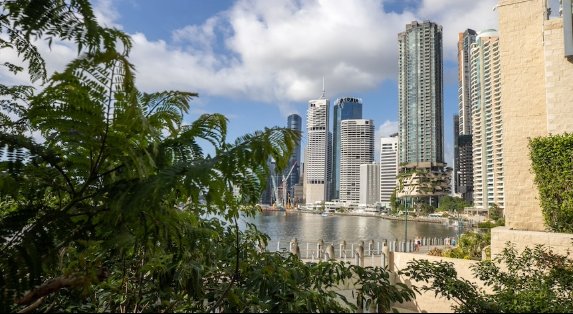
Brisbane is in the midst of a population surge that is reshaping every dimension of the city — its geography, its infrastructure, its economy, its social fabric, and above all its property market. Queensland has been the fastest-growing state in Australia for several consecutive years, and Brisbane, as the state capital and economic engine, is bearing the lion’s share of that growth. The city that was once affectionately characterised as a large, relaxed regional centre has evolved into one of the most dynamic and internationally significant urban centres in the Asia-Pacific region, and the rate of that transformation is accelerating rather than plateauing.
For every real estate developer in Brisbane, the implications of this population surge are profound and multidimensional. More people means more housing demand — but the nature of that demand, the locations where it concentrates, and the types of dwellings that best serve a growing, diversifying population are all shifting in ways that reward careful analysis and penalise assumptions based on the Brisbane of a decade ago. The city that real estate property developers in Brisbane are building for today looks different from any previous chapter of the city’s development history, and understanding those differences is essential to making sound development decisions in 2026.
This article, produced by the team at Milan Property Group, examines the population growth forces reshaping Brisbane in depth, and explores their implications across every major dimension of the real estate development sector — from housing types and locations, to infrastructure investment, commercial property, sustainability, and the long shadow of the 2032 Olympic Games. It is written for developers, investors, landowners, and anyone with a serious interest in understanding where Brisbane’s property market is heading and why.
Setting the Scene: Brisbane’s Population Numbers
Brisbane’s population growth story is best understood in numbers. Greater Brisbane’s population is projected to grow by approximately 1,000 new residents every week through the balance of the 2020s, driven by a combination of strong interstate migration from Victoria and New South Wales, sustained overseas migration, and above-average natural population increase. South East Queensland as a whole — encompassing Brisbane, the Gold Coast, the Sunshine Coast, Ipswich, Logan, and the Moreton Bay region — is projected to reach a population of five million people well ahead of earlier forecasts, with Brisbane City itself approaching three million within the decade.
These are not marginal, incremental increases. They represent a structural step-change in Brisbane’s scale and complexity that is already visible in the city’s property markets, its construction activity, its retail and hospitality landscape, and its transport network. For real estate property developers in Brisbane, these numbers translate directly into sustained, long-duration demand for housing, commercial space, retail, hospitality, and the full range of built environment that a modern city requires.
1: The Housing Supply Crisis and What It Means for Developers
Demand Is Outrunning Supply at an Unprecedented Rate
Brisbane’s population growth has collided with a structural housing supply shortfall of significant proportions, creating a market environment that every real estate developer in Brisbane is navigating in 2026. The Queensland government has acknowledged that the state faces a shortfall of tens of thousands of dwellings against projected demand over the coming decade, and that closing this gap will require a sustained and substantial increase in residential development activity across the full spectrum of housing types — from detached houses in outer-ring growth areas to medium-density townhouses in established middle-ring suburbs and higher-density apartment buildings in inner-city and near-city locations.
For residential real estate property developers in Brisbane, this supply-demand imbalance is simultaneously a commercial opportunity and a professional responsibility. The opportunity is clear: sustained population growth creates durable, long-duration demand for new housing that supports development feasibility across a wider range of locations and price points than has historically been the case in Brisbane. The responsibility is equally clear: the decisions that developers make about what to build, where to build it, and how to design and deliver it will shape the housing options available to a generation of Brisbane residents.
The Structural Drivers of Undersupply
Understanding why Brisbane’s housing supply has fallen so far behind demand requires an appreciation of the multiple structural factors that constrain new dwelling delivery. The planning and development approval process remains time-consuming and resource-intensive, even for well-prepared development applications by experienced operators. Construction costs have increased substantially in recent years, compressing feasibility margins on projects that were financially viable under a previous cost regime. The skilled trades labour market remains tight, creating capacity constraints on construction throughput even when demand and development activity are both elevated. And the availability of development-ready land in locations that align with where the majority of population growth is occurring is more limited than the headline land supply figures might suggest.
These supply constraints are not easily or quickly resolved, and their persistence means that the undersupply of housing relative to demand is a structural feature of Brisbane’s property market that is likely to persist for years rather than months. For experienced Brisbane property developers who understand how to operate effectively in this environment — managing costs, navigating approvals, structuring procurement, and delivering quality — the sustained nature of this supply-demand imbalance represents a window of commercial opportunity that is without historical precedent in this market.
Affordability and the Changing Demand Profile
Population growth is not homogeneous in its housing demand implications. Brisbane’s growing population includes a wide range of household types, income levels, life stages, and housing preferences — and the mix of demand across these segments is shifting in ways that have important implications for real estate development strategy. The significant wave of interstate migration from Sydney and Melbourne has introduced a large cohort of buyers and renters accustomed to higher housing costs, higher density, and smaller dwelling footprints than have historically characterised Brisbane’s housing market. These newcomers are generally more comfortable with medium-density living, more willing to trade space for location, and more sophisticated in their expectations of design quality and urban amenity than the traditional Brisbane market.
At the same time, affordability pressure — driven by the combination of population-led demand, constrained supply, and the elevated construction costs that are flowing through into new dwelling prices — is pushing a significant portion of demand into the outer-ring growth corridors where land costs are lower and detached housing remains more accessible. This bifurcation of demand between inner-ring medium-density and outer-ring detached housing is one of the most important structural features of Brisbane’s residential development market in 2026, and the most successful real estate property developers in Brisbane are those who understand how to operate effectively in both segments simultaneously.
2: Infrastructure Investment and Its Development Implications
How Government Infrastructure Is Reshaping the Development Landscape
Population growth at Brisbane’s current pace demands a commensurate expansion of the city’s infrastructure — transport, schools, hospitals, utilities, community facilities, and the full suite of services that support urban life at scale. Queensland and federal government infrastructure investment in the Brisbane region is running at historically high levels in 2026, and this investment is one of the most powerful forces shaping the distribution of development activity and property value across the city. For every real estate developer in Brisbane, understanding the infrastructure pipeline and its spatial implications is a core component of development strategy and site selection.
The Cross River Rail project — Brisbane’s transformative underground rail link connecting Dutton Park in the south to Bowen Hills in the north, with new underground stations at Boggo Road, Woolloongabba, Albert Street, Roma Street, and Normanby — is the most significant piece of transport infrastructure in Brisbane’s modern history, and its impact on residential and commercial development activity along and adjacent to the new alignment is already visible and will intensify as the opening date approaches and then passes. The uplift in property values and development feasibility within comfortable walking distance of each new station is substantial, and experienced Brisbane property developers are already well positioned in these catchments.
Cross River Rail and the Station Precinct Effect
The evidence from comparable rail infrastructure investments in other Australian and international cities is consistent: new urban rail stations create measurable, sustained uplift in surrounding property values and development density. Residents and businesses strongly prefer locations with reliable, high-frequency public transport access, and this preference translates directly into willingness to pay premiums for properties in well-connected locations. For real estate property developers in Brisbane, the five new underground station precincts created by Cross River Rail represent some of the most strategically significant development opportunities in the city.
Woolloongabba is perhaps the most high-profile of these precincts, benefiting not only from its new Cross River Rail station but also from its designation as the Athletes Village for the 2032 Olympic and Paralympic Games, and the broader regeneration of the former industrial and commercial land that surrounds it. The scale of investment and transformation planned for Woolloongabba over the next decade is without precedent in Brisbane’s development history, and real estate developers who have secured positions in this precinct are well-placed to participate in one of the most significant urban renewal stories in Australia.
Brisbane Metro and Bus Rapid Transit
Beyond Cross River Rail, the Brisbane Metro project is delivering a high-frequency, high-capacity bus rapid transit network connecting the University of Queensland at St Lucia and the Princess Alexandra Hospital precinct at Buranda through the inner city to Herston and beyond. The stations and stops along the Metro corridor are generating their own clusters of development interest, particularly at key interchange nodes where Metro connects with suburban rail and ferry services, creating the kind of multi-modal accessibility that drives density and development activity.
The combined effect of Cross River Rail and Brisbane Metro is to dramatically expand the geography of transit-oriented development opportunity in Brisbane — creating a wider and more distributed set of locations where residential and commercial development projects can achieve the density, the yield, and the market value that makes them financially viable. For experienced Brisbane real estate property developers, this expansion of the transit-oriented development opportunity set is a structural tailwind that will support development activity for years to come.
Social Infrastructure and the Education and Health Precincts
Population growth also drives investment in social infrastructure — schools, TAFE campuses, universities, hospitals, and community facilities — and this investment creates its own development opportunities and value drivers in surrounding locations. The Herston Health Precinct, the Boggo Road Knowledge and Innovation Precinct, the Toowong and St Lucia university corridor, and the expanding health and education campuses at Southside are all generating sustained rental and purchase demand in their surrounding residential catchments that is directly attributable to population-driven employment and student accommodation growth. For residential property developers in Brisbane, these precinct-anchored demand generators provide a durable foundation for development feasibility that is less dependent on the broader property cycle than general-market residential development.
3: The Medium-Density Revolution in Brisbane’s Established Suburbs
How Population Growth Is Transforming the Middle Ring
One of the most visible and consequential impacts of Brisbane’s population growth on its development landscape is the accelerating transformation of the city’s established middle-ring suburbs from predominantly low-density, detached-housing neighbourhoods into more diverse, more densely populated, and more urban communities. This transformation — which has been underway for several years but is now proceeding at dramatically increased pace — is being driven by the intersection of population-driven housing demand, planning scheme changes that permit higher-density development on appropriate sites, and the strong preference of a growing proportion of Brisbane’s new residents for inner and middle-ring locations that offer proximity to employment, amenity, and transport.
For real estate property developers in Brisbane, this medium-density transformation of the established middle ring represents the largest and most sustained development opportunity in the city’s residential market. The stock of low-density residential land in established middle-ring suburbs — including older detached dwellings on generous lots in close proximity to centres and transit — that is suitable for medium-density redevelopment is large, the planning support for appropriate medium-density development on this land is growing, and the market demand for well-designed townhouses and low-rise apartments in these locations is deep and durable.
Townhouse Development — The Sweet Spot of Brisbane’s Market
Within the medium-density spectrum, townhouse development has emerged as the dominant and most commercially successful format for real estate developers in Brisbane in 2026. Townhouses align exceptionally well with the preferences of Brisbane’s growth demographics — particularly the large cohort of families and couples relocating from Sydney and Melbourne, who typically want more space and more privacy than an apartment provides but are willing to trade the large detached house and garden of traditional Brisbane suburban living for a more urban, lower-maintenance, better-located dwelling.
The commercial fundamentals of townhouse development in Brisbane’s established middle ring are strong. Site acquisition in locations where townhouse development is permitted is highly competitive — reflecting the depth of developer interest in this format — but the combination of strong market values, relatively efficient construction costs for timber-frame townhouse construction, and short sales programmes in well-designed, well-located projects is producing development returns that are attracting both established Brisbane property developers and new entrants to the sector. The challenge for real estate developers is maintaining the design quality and community sensitivity that distinguishes successful townhouse projects from those that attract community opposition and planning difficulty.
Low-Rise Apartments — Growing Demand in Transit-Adjacent Locations
While townhouses dominate the medium-density market, low-rise and mid-rise apartment development is gaining momentum in Brisbane’s inner and middle ring, particularly in locations with strong public transport access and established urban amenity. The post-pandemic reassessment of apartment living — driven in part by the improved quality of newer Brisbane apartment stock relative to the problematic high-rise developments of a decade ago — combined with the affordability pressure that is pushing more buyers toward smaller-footprint dwellings, is creating genuine market depth for well-designed low-rise and mid-rise apartment projects in appropriate locations.
Brisbane real estate property developers who are delivering boutique apartment projects of fifty to one hundred and fifty dwellings in locations with genuine transport and amenity access are consistently reporting strong presales, short settlement periods, and buyer profiles that skew toward owner-occupiers rather than investors — a buyer composition that produces stronger long-term community outcomes and better resale market performance for the project. This owner-occupier-led apartment market is a genuinely new feature of Brisbane’s residential development landscape, driven directly by the population growth and demographic diversification that the city is currently experiencing.
Planning Scheme Support for Medium-Density Development
The planning environment for medium-density development in Brisbane’s established middle ring has become progressively more supportive over recent years, reflecting the Queensland government’s and Brisbane City Council’s recognition that accommodating the city’s population growth within the existing urban footprint — rather than through continued outward expansion — is both more environmentally sustainable and more economically efficient. Code-assessable development for townhouses and low-rise apartments on appropriately zoned land has simplified and accelerated the approval process for well-designed projects, and the progressive upzoning of land along key transit corridors and around major centres is expanding the geography of medium-density development opportunity. For experienced real estate property developers in Brisbane who understand the planning framework and can design projects that respond positively to it, the planning environment in 2026 is as supportive as it has ever been.
4: Outer-Ring Growth Corridors — The Scale of Brisbane’s Expansion
Where Brisbane’s Greenfield Development Activity Is Concentrated
While the medium-density transformation of the established middle ring captures significant attention and development investment, the outer-ring growth corridors of Greater Brisbane continue to absorb a large proportion of the city’s population growth through greenfield residential development on land at the urban fringe. The corridors that are currently most active — the Springfield and Ripley Valley corridor in Ipswich City, the Flagstone and Yarrabilba corridor in Logan City, the North Harbour and Caboolture West corridor in the Moreton Bay region, and the emerging development areas of Redbank Plains and Redbank Estate — are collectively delivering tens of thousands of new dwellings per year, serving a market of households for whom detached housing with a genuine backyard remains the preferred and often most affordable residential option.
For real estate property developers in Brisbane’s outer-ring growth corridors, the population growth dynamic creates both sustained demand and intense competition. The depth of dwelling demand in these corridors is genuine and durable — driven by the sustained influx of new residents, the household formation of younger buyers priced out of the inner and middle ring, and the continuing preference of families with children for the space and community feel that detached housing in a new master-planned estate provides. But the supply response has been equally vigorous, and developers operating in these markets need to be disciplined about site selection, product design, pricing strategy, and sales execution to deliver competitive returns in an environment where buyers have real choice.
Master-Planned Communities and the Community Development Imperative
The most successful real estate developers operating in Brisbane’s outer-ring growth corridors are those who understand that buyers in these markets are not simply purchasing a dwelling — they are buying into a community, a lifestyle, and a vision of what their neighbourhood will look and feel like as it matures. The master-planned community format — where a developer or developer consortium plans and delivers not just housing but the parks, schools, retail, community facilities, and public spaces that create a genuine sense of place — has become the dominant development model in Brisbane’s outer-ring growth corridors, and for good reason.
Communities that invest in high-quality public space, well-designed streetscapes, accessible retail and services, quality schools, and attractive community facilities consistently outperform their competitors on both sales pace and resale value. They attract a higher quality of resident mix, generate stronger community engagement, and build the kind of place reputation that sustains demand and value over the long term. For real estate developers in Brisbane’s growth corridors, the investment in community quality is not philanthropy — it is sound commercial strategy.
Infrastructure Coordination and Staging Strategy
Delivering a large-scale greenfield residential community in Brisbane’s outer-ring growth corridors is an enormously complex undertaking that extends well beyond the design and construction of individual dwellings. The coordination of trunk infrastructure — roads, water, sewerage, electricity, and telecommunications — with dwelling delivery requires detailed planning, sophisticated staging strategies, and ongoing engagement with local councils, utility providers, and state government agencies. Infrastructure charges — the levies imposed by local councils to fund the community infrastructure required to serve new development — are a significant component of the cost structure for greenfield development projects in Brisbane, and managing their timing and amount is an important element of development feasibility and financial planning.
Experienced Brisbane property developers operating in the outer-ring growth corridors have developed sophisticated capabilities in infrastructure coordination and staging strategy that represent a genuine barrier to entry for less experienced operators. The ability to sequence land releases, infrastructure delivery, and sales activity in a way that optimises cash flow, manages holding costs, and delivers a consistent, positive buyer experience across a multi-year development programme is a specialist skill that distinguishes the most capable real estate developers in Brisbane from their less experienced competitors.
5: Commercial and Retail Development — Serving a Growing Population
Population Growth Creates Commercial Development Opportunities Beyond Housing
The narrative of Brisbane’s population-driven development boom is predominantly told through the lens of residential property — and for good reason, given the scale and urgency of the housing supply challenge. But population growth creates demand across the full spectrum of the built environment, not just in the residential sector. As Brisbane’s population grows and its economic base diversifies and deepens, the demand for commercial office space, retail facilities, industrial and logistics assets, hospitality, and community services infrastructure is growing commensurately. For real estate property developers in Brisbane with the capability and capital to operate across multiple asset classes, this broad-based growth in commercial property demand represents a significant and diverse set of development opportunities.
The commercial property development landscape in Brisbane in 2026 is shaped by several powerful and intersecting trends, all ultimately traceable to population growth. The expansion of Brisbane’s employment base — across professional services, health and education, technology, construction, and retail — is driving demand for commercial office space in the CBD and major suburban centres. The growth of Brisbane’s population and the associated expansion of its retail spending base is supporting the development of new and expanded retail facilities across the growth corridors and established suburban centres. And the explosion of e-commerce and the logistics infrastructure required to support it is driving unprecedented demand for industrial and distribution facilities across Greater Brisbane.
Office Development and the Changing Workplace
Brisbane’s commercial office market is experiencing a period of sustained activity driven by population and employment growth, tempered and shaped by the structural shift in workplace patterns that has occurred since the pandemic. The demand for high-quality, well-located, flexible office space that supports hybrid working models, collaboration, and employee wellbeing is strong and growing. Real estate developers in Brisbane who are delivering premium commercial buildings with genuine sustainability credentials, excellent public transport access, high-quality end-of-trip facilities, and the flexibility to accommodate evolving workplace needs are finding a receptive market among both owner-occupiers and institutional investors.
The office development opportunity in Brisbane is particularly significant in the context of the city’s improving national and international profile. As more large national and international businesses establish or expand their Brisbane presence — attracted by the city’s growing talent pool, its lifestyle attractiveness, its more affordable business costs relative to Sydney and Melbourne, and its strategic position in relation to the Asia-Pacific region — the demand for quality commercial accommodation is being reinforced by a sustained expansion of the city’s corporate occupier base.
Retail Development in the Growth Corridors
Population growth in Brisbane’s outer-ring growth corridors is creating substantial demand for new retail facilities to serve communities that are growing far faster than their existing retail infrastructure was designed to accommodate. Neighbourhood and sub-regional shopping centres, convenience retail formats, food and beverage precincts, and the supporting medical and allied health services that new residential communities require are all in strong demand across Brisbane’s growth corridors. Real estate property developers in Brisbane with the capability to deliver mixed-use retail and commercial projects in growth corridor locations are finding that the combination of strong population-driven demand and limited existing supply creates favourable development economics for well-conceived and well-executed projects.
Industrial and Logistics — Brisbane’s Fastest Growing Commercial Sector
The industrial and logistics property sector is the fastest-growing commercial real estate segment in Greater Brisbane, driven by the combined impact of population growth expanding the city’s consumption base, the sustained shift from physical to online retail requiring last-mile distribution infrastructure, and Brisbane’s growing importance as a logistics hub serving the broader Queensland economy. Demand for modern, well-located industrial and distribution facilities across Greater Brisbane is running at historically elevated levels, vacancy rates are near record lows, and rental growth has been among the strongest of any asset class in the Brisbane market. For real estate developers with the expertise and capital to deliver industrial and logistics assets in Brisbane’s key employment and logistics zones, this is one of the most commercially attractive development sectors in the city.
6: Sustainability and Population Growth — Developing for the Future
Why Sustainable Development Is Now a Market Imperative in Brisbane
The intersection of population growth and sustainability in Brisbane’s development sector is one of the most important and complex dynamics shaping the city’s built environment in 2026. A rapidly growing city requires a rapidly expanding built environment — but the construction and operation of that built environment carries a substantial environmental footprint in terms of embodied carbon, energy consumption, water use, and biodiversity impact. Reconciling the imperative to house and serve a growing population with the equally important imperative to do so in ways that are environmentally responsible and resource-efficient is one of the defining challenges facing real estate property developers in Brisbane today.
The good news is that the market is increasingly rewarding developers who meet this challenge with genuine commitment and professional rigour. Buyers and tenants across both residential and commercial markets are placing growing value on sustainability credentials — energy efficiency, water conservation, indoor environment quality, and embodied carbon reduction — and are demonstrating a willingness to pay premiums for buildings that deliver measurable sustainability performance. For real estate developers in Brisbane, sustainability is no longer simply a cost to be minimised or a regulatory requirement to be managed — it is a genuine value driver that can improve development returns when it is integrated thoughtfully and effectively into the design and delivery process.
Energy Efficiency and the Move Toward Net Zero
Energy efficiency has become a baseline expectation rather than a premium feature in new Brisbane residential development. The National Construction Code’s progressive tightening of energy performance requirements, combined with buyer and tenant demand for dwellings with lower ongoing energy costs, has driven significant improvements in the thermal performance and energy efficiency of new residential buildings across the city. Solar photovoltaic systems, battery storage, LED lighting, high-performance glazing, effective insulation, and cross-ventilation design are now standard inclusions in quality new residential developments, and the most progressive real estate property developers in Brisbane are going well beyond the regulatory minimum to deliver dwellings that genuinely approach net-zero operational carbon.
In the commercial sector, the pressure for energy efficiency is even more intense, driven by the sustainability requirements of institutional investors, the corporate sustainability commitments of major commercial tenants, and the growing body of evidence linking energy performance with asset value and investment returns. Green Star and NABERS ratings are no longer nice-to-have credentials for premium Brisbane commercial buildings — they are market expectations that influence leasing, sales, and financing outcomes in material ways.
Water Sensitive Design and Climate Resilience
Brisbane’s subtropical climate — characterised by intense rainfall events, prolonged dry periods, and the ongoing risk of flooding in low-lying areas — makes water sensitive urban design and climate resilience particularly important dimensions of sustainable development practice in this city. The population growth occurring in Brisbane’s flood-affected catchments, and in the new outer-ring development areas that are subject to their own stormwater management challenges, is making water sensitive design an increasingly prominent feature of development planning and assessment. Real estate developers in Brisbane who invest in water sensitive design — rainwater harvesting, stormwater quality treatment, flood-resilient construction, and urban greening — are not only meeting regulatory requirements but also building more resilient, more liveable, and more valuable communities.
Biodiversity and Green Infrastructure
As Brisbane’s development footprint expands to accommodate its growing population, the preservation and enhancement of biodiversity and green infrastructure becomes an increasingly important dimension of responsible development practice. The integration of tree canopy, habitat corridors, urban parks, and permeable surfaces into new residential and commercial developments is both a planning requirement and a genuine community value-add that distinguishes better-quality developments from those that treat green space as an afterthought. For real estate property developers in Brisbane who are delivering master-planned communities in the outer-ring growth corridors, the investment in green infrastructure and biodiversity outcomes is also a powerful sales and marketing differentiator — buyers consistently respond positively to developments that feel connected to the natural environment, and this preference is reflected in the sales performance of projects that deliver genuine green infrastructure outcomes.
7: The 2032 Olympics — A Once-in-a-Generation Development Catalyst
How the Games Are Reshaping Brisbane’s Development Trajectory
The awarding of the 2032 Olympic and Paralympic Games to Brisbane represents the most significant single catalyst for accelerated development investment in the city’s history. The Games have not created Brisbane’s population growth story — that story was already well underway before the IOC’s decision — but they have dramatically accelerated the pace of infrastructure investment, urban renewal, and international attention that is flowing to the city, and they are acting as a forcing function for development outcomes that might otherwise have taken decades to materialise.
For every real estate developer in Brisbane, the Olympics effect is real, measurable, and multidimensional. It is visible in the accelerated delivery of infrastructure projects — most notably Cross River Rail and the associated station precinct developments, which have been brought forward in the context of the Games timeline. It is visible in the unprecedented levels of hotel and short-stay accommodation investment that are flowing into the city in preparation for the visitor volumes that the Games will generate. It is visible in the urban renewal of the Woolloongabba precinct, where the Athletes Village development is catalysing a broader transformation of one of Brisbane’s most strategically located but historically underutilised inner-city suburbs. And it is visible in the elevated national and international profile of Brisbane as a destination for business, investment, and lifestyle — a profile that is accelerating the population and economic growth trends that were already the primary drivers of the city’s development boom.
Woolloongabba and the Athletes Village Legacy
Woolloongabba is ground zero of Brisbane’s Olympic development story. The suburb that has long been one of Brisbane’s most intriguing but underutilised inner-city locations — well-located, well-connected, rich in character, but lacking the critical mass of residential population, quality retail, and urban amenity to fulfil its potential — is being transformed at extraordinary pace and scale by the combination of the new Cross River Rail station, the Athletes Village development, and the surrounding precinct renewal that these anchor investments are catalysing.
For real estate property developers in Brisbane who have secured development positions in and around Woolloongabba, the Olympics effect is operating as a powerful accelerant for already-strong underlying fundamentals. The Athletes Village — to be converted to residential use following the Games — will contribute significant new housing supply to an area of strong ongoing demand. The precinct investment in public space, retail, and community infrastructure is driving sustained uplift in surrounding property values and rental rates. And the international visibility of Woolloongabba as an Olympic precinct is attracting a level of investor and buyer interest that would not have materialised on the same timeline without the Games catalyst.
Hotel, Tourism, and Hospitality Development
The 2032 Olympics are driving a wave of hotel and hospitality development investment in Brisbane that is reshaping the city’s accommodation landscape and creating development opportunities for real estate developers with the capability to deliver in this sector. Brisbane’s existing hotel stock was acknowledged as insufficient to meet the accommodation requirements of the Games and the surge in leisure and business tourism that the city’s growing international profile is generating, and the pipeline of new hotel development — across the full spectrum from budget to luxury, and from central city to suburban locations — is running at historically elevated levels.
Beyond the Games period itself, the tourism and hospitality infrastructure being developed in the lead-up to 2032 will serve Brisbane’s growing visitor economy for decades. The city’s international profile, improved air connectivity, expanded convention and events facilities, and enhanced urban amenity are all working together to build a tourism and hospitality sector of a scale and quality that will support a sustained level of hotel and hospitality development activity well beyond the Games period.
Legacy Infrastructure and Long-Term Development Benefits
The most enduring impact of the 2032 Olympics on Brisbane’s development landscape will be the legacy infrastructure that the Games are delivering — the transport links, the public spaces, the urban renewal precincts, and the sporting facilities that will serve Brisbane’s population for generations. This legacy infrastructure is not just improving the liveability and connectivity of existing communities — it is unlocking new development opportunities in locations that were previously constrained by poor transport access, underinvestment in public space, or the absence of the critical mass of amenity required to attract and retain residents and businesses. For experienced real estate property developers in Brisbane, identifying and securing development positions in the locations that will benefit most from Olympic legacy infrastructure investment is one of the most strategically important activities of the current development cycle.
8: Challenges Facing Brisbane Real Estate Developers in a High-Growth Environment
Growth Creates Opportunity — and Complexity
Brisbane’s population growth story is, on balance, a positive one for real estate developers — but it is important to be clear-eyed about the challenges that high-growth environments create alongside their opportunities. Rapid population growth places stress on construction supply chains, drives up land costs, creates capacity constraints in the planning and approval system, generates community resistance to density in established neighbourhoods, and intensifies competition for development sites, trades, and professional talent. Navigating these challenges effectively — while maintaining the quality, the community sensitivity, and the financial discipline that distinguish excellent development practice from mediocre — requires a level of professional capability and organisational resilience that not all market participants possess.
The most capable real estate property developers in Brisbane are those who have built organisations capable of operating at high levels of quality and effectiveness in this challenging environment — companies that have strong procurement relationships with contractors and suppliers, deep planning expertise and credibility with local councils, disciplined financial management systems, and the professional culture and talent to consistently deliver excellent projects even when the operating environment is demanding. These are the developers that are building Brisbane’s growth legacy, and they are the developers that buyers, investors, and landowners should seek to partner with as the city continues its extraordinary growth trajectory.
Construction Cost Pressures and Feasibility Management
Construction costs in Brisbane and South East Queensland have increased substantially in recent years, driven by the combination of materials price inflation, skilled trades labour shortages, and the sheer volume of construction activity competing for the same pool of contracting capacity. For real estate developers in Brisbane, managing feasibility in this elevated cost environment requires sophisticated cost planning, disciplined procurement strategy, and a willingness to make difficult decisions about project scope and design when cost pressures threaten to erode development returns to unacceptable levels. The developers who are managing this challenge most effectively are those who have invested in strong contractor relationships, who engage their build teams early in the design process to incorporate constructability and cost considerations, and who maintain the analytical discipline to walk away from sites whose costs do not support viable development returns.
Planning System Pressures and Community Engagement
The volume of development applications being submitted to Brisbane City Council and the surrounding local government areas has grown substantially in line with the overall increase in development activity driven by population growth. This increased volume is placing pressure on planning assessment resources, contributing to longer approval timelines than the planning codes contemplate, and creating uncertainty for developers whose project financing and delivery programmes depend on predictable approval outcomes. The most experienced Brisbane property developers manage this challenge through the quality and completeness of their DA submissions — investing in thorough pre-lodgement engagement with council officers, well-prepared planning reports that pre-empt likely assessment concerns, and design quality that meets or exceeds the relevant design codes and planning objectives.
Community Acceptance of Density
Population growth and its associated development response inevitably generates some degree of community tension in established neighbourhoods, as existing residents navigate the changes that increased density and development activity bring to their communities. Managing this tension — engaging genuinely with community concerns, designing projects that respond positively to their context, and communicating transparently about development intentions and impacts — is an increasingly important dimension of responsible development practice in Brisbane’s established suburbs. The real estate property developers in Brisbane who manage this dimension of their practice most effectively are those who view community engagement not as a regulatory obligation to be satisfied but as a genuine professional responsibility that is integral to delivering development outcomes that are good for the city and not just commercially successful for the developer.
9: What Population Growth Means for Buyers, Investors, and Landowners
Practical Implications for Every Participant in Brisbane’s Property Market
The population growth forces reshaping Brisbane’s development landscape have direct and practical implications for every participant in the city’s property market — not just for the professional real estate developers who are designing and delivering the built environment response to that growth. Buyers considering new residential developments, investors evaluating Brisbane development opportunities, and landowners assessing whether and how to develop their holdings all need to understand the population growth dynamic and its implications for their specific situation if they are to make well-informed decisions in the current market environment.
For buyers of new residential developments — whether purchasing off the plan or buying a completed product from a Brisbane real estate developer — population growth means sustained upward pressure on dwelling values and rents in well-located, well-served communities. It means that the demand fundamentals underpinning new residential development in Brisbane are as strong and durable as they have been in the city’s recent history, providing a supportive environment for property values over the medium and long term. It also means that the quality and reputation of the developer you are purchasing from matters more than ever — in a market with high development activity and some constrained supply of skilled trades and quality materials, the gap between excellent and mediocre development outcomes is wider than it has historically been.
For Property Investors — The Case for Brisbane Development Exposure
For property investors evaluating Brisbane as a destination for development-related investment, the population growth story is the most compelling single argument for Brisbane over any other major Australian city market in the current cycle. The combination of strong, sustained population growth, a structural housing supply shortfall, historically elevated rental yields, infrastructure-driven value uplift, and the 2032 Olympics catalyst creates a convergence of positive demand and value drivers that is without close parallel in the current Australian investment landscape.
The most direct way to access development returns in Brisbane’s growth environment is through a direct equity partnership with an experienced real estate developer in Brisbane — a joint venture structure in which the developer contributes professional expertise and project management capability while the investor contributes equity capital, in exchange for a negotiated share of the development profit. The most capable real estate property developers in Brisbane maintain active investor partner relationships and are continuously evaluating new sites and development opportunities that may suit this partnership model. For investors with the appetite and capacity to participate in direct development, identifying and partnering with a developer of genuine quality and track record is the most important initial decision.
For Landowners — Understanding Your Site’s Development Potential
For landowners in Brisbane’s inner, middle, and outer rings, the population growth environment is creating development potential where it may not have previously existed — or increasing the scale of development potential on sites that were already recognised as having some development opportunity. The progressive upzoning of land along transit corridors and around major centres, the growing market for medium-density development in established suburban locations, and the sustained demand for land in the outer-ring growth corridors are all creating conditions in which landowners with appropriately located holdings may find that the development value of their land materially exceeds the value of their existing use.
Understanding whether your land has genuine development potential — and if so, what type of development, at what scale, and at what financial return — requires the input of an experienced real estate developer and development consultant who understands both the planning framework and the commercial realities of Brisbane’s development market. The most important first step for any landowner exploring their site’s development potential is to engage with a credible, experienced development professional for an honest assessment of what is possible and what the numbers look like.
Partnering With the Right Brisbane Developer
Whether you are a buyer, an investor, a joint venture partner, or a landowner, the quality of the real estate developer in Brisbane you choose to work with is the most consequential decision in your engagement with Brisbane’s development market. The population growth driving Brisbane’s development opportunity is real and durable — but the ability to translate that opportunity into excellent outcomes for all stakeholders depends entirely on the professional quality, the financial integrity, and the genuine commitment to excellence of the development organisation delivering the project. Take the time to assess the developers you are considering rigorously: examine their track record, speak with their previous clients and partners, assess the quality of their past projects, and satisfy yourself that their values, their professional culture, and their approach to community and sustainability align with your own expectations.
