
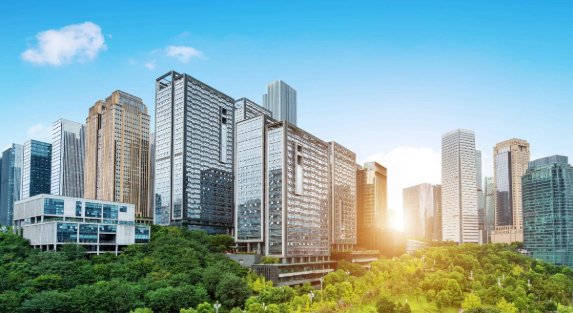
Cities are constantly evolving. As more people move to urban areas in search of better employment opportunities, education, lifestyle, and infrastructure, the demand for housing and commercial spaces continues to grow. This transformation is particularly noticeable in Brisbane, where population growth and changing lifestyle preferences are influencing the city’s property landscape.
Urbanization is creating new opportunities for the real estate industry while also introducing challenges related to housing affordability, land availability, infrastructure, and sustainable development.
For property developers in Brisbane, understanding these changes is essential to creating properties that meet the needs of today’s buyers while preparing for future demand.
But how exactly is urbanization changing property development, and what does it mean for homeowners, investors, and the wider community? Let’s explore.
1. Increasing Demand for Residential Properties
One of the biggest impacts of urbanization is the growing demand for residential properties. As more people relocate to Brisbane, the need for apartments, townhouses, family homes, and affordable housing options continues to increase.
Brisbane City Council has identified a need for 210,800 additional homes by 2046 to accommodate the city’s growing population. This highlights the importance of delivering more housing in suitable locations.
For property developers, this creates opportunities to develop residential projects that cater to different household sizes, budgets, and lifestyle preferences.
Modern buyers are no longer looking for just a place to live. They want properties that offer convenience, accessibility, comfortable living spaces, and proximity to essential facilities.
As a result, residential property developers in Brisbane are increasingly focused on creating well-planned housing developments that support changing community needs.
2. Growth of Apartments and High-Density Developments
As urban populations increase, available land in established areas becomes more valuable. This encourages developers to explore higher-density housing options instead of relying entirely on traditional standalone homes.
Apartments, townhouses, and mixed-use developments are becoming important parts of Brisbane’s evolving property market.
Higher-density developments can provide several benefits:
- More housing options within established suburbs.
- Better use of available land.
- Convenient access to public transport and commercial facilities.
- Reduced pressure to expand into undeveloped areas.
- More opportunities for community-focused developments.
Brisbane City Council’s approach to directing growth towards transport hubs and shopping precincts reflects this shift towards more strategically located housing.
For experienced property developers in Brisbane, high-density development offers opportunities to respond to housing demand while making efficient use of urban land.
3. Increasing Focus on Sustainable Property Development
Urbanization does not just mean building more properties. It also means creating developments that can support communities over the long term.
As cities expand, concerns about energy consumption, environmental impact, green spaces, and climate resilience become increasingly important.
Today’s property buyers are also showing greater interest in homes that offer energy efficiency, natural lighting, ventilation, and environmentally conscious features.
Modern sustainable property development may include:
- Energy-efficient lighting and appliances.
- Water-saving fixtures and systems.
- Sustainable construction materials.
- Green spaces and landscaped outdoor areas.
- Solar energy solutions.
- Improved natural ventilation and insulation.
For property developers in Brisbane, incorporating sustainable design principles can help create properties that are more comfortable, efficient, and suitable for the city’s subtropical climate.
Sustainable development is not simply an environmental consideration. It is also an investment in the long-term usability and appeal of a property.
4. Rising Property Values and Land Development Opportunities
Urban growth can increase demand for properties in well-connected locations. Areas close to employment centres, schools, shopping precincts, healthcare facilities, and public transport often attract greater interest from buyers and investors.
As demand changes, property developers may identify opportunities to acquire land, redevelop existing sites, or introduce new residential and commercial projects.
However, rising land values can also make development more challenging. Higher acquisition costs, construction expenses, financing requirements, and planning obligations can affect project feasibility.
Successful property development requires careful research into location, market demand, development costs, and future growth potential.
By understanding Brisbane’s changing urban landscape, property development companies can identify suitable opportunities while managing the financial and practical risks associated with development.
5. Greater Demand for Mixed-Use Developments
Modern urban lifestyles are changing the way people choose where they live and work.
Many buyers and tenants prefer locations where essential services, shopping, dining, workplaces, and recreational facilities are easily accessible.
This has increased interest in mixed-use developments that combine residential, commercial, and retail spaces within the same precinct.
For example, a mixed-use development may include:
- Residential apartments on upper levels.
- Retail shops and cafes on the ground floor.
- Office spaces for local businesses.
- Shared recreational facilities.
- Landscaped public spaces.
These developments can create more convenient neighbourhoods while supporting local businesses and employment opportunities.
For property developers in Brisbane, mixed-use projects offer an opportunity to create integrated spaces that reflect the changing expectations of urban residents.
6. Improved Infrastructure Influences Property Development
Infrastructure plays a major role in determining where cities grow and where new property developments become attractive.
Road networks, public transport, schools, hospitals, shopping centres, and recreational facilities all influence the appeal of a location.
When infrastructure improves, surrounding areas may become more accessible and attractive to homebuyers, businesses, and property investors.
For developers, understanding infrastructure planning is essential when evaluating potential development sites.
Important factors to consider include:
- Accessibility to major roads and highways.
- Availability of public transport.
- Proximity to schools and healthcare facilities.
- Access to shopping and employment centres.
- Existing water, electricity, and drainage infrastructure.
- Planned infrastructure improvements.
Brisbane’s long-term housing and growth strategies emphasise coordinating new housing with transport, infrastructure, and essential services.
This makes infrastructure planning an important consideration for developers looking to deliver practical and well-connected property projects.
7. Changing Buyer Preferences and Lifestyle Expectations
Urbanization is also influencing what people expect from residential properties.
Today’s buyers often prioritise convenience, functionality, flexibility, and lifestyle features rather than focusing exclusively on property size.
For example, young professionals may prefer apartments close to employment centres, while families may look for larger homes near schools, parks, and community facilities.
Some buyers also prioritise:
- Dedicated work-from-home spaces.
- Open-plan living areas.
- Energy-efficient features.
- Secure parking and storage.
- Outdoor entertaining areas.
- Low-maintenance properties.
- Access to parks and recreational facilities.
These changing preferences encourage property developers to rethink traditional designs and create homes that reflect how people actually live.
Understanding the target audience before starting a project can help developers make better decisions about property layouts, amenities, and overall design.
8. Urbanization Creates Opportunities for Commercial Property Development
Population growth also creates demand for commercial spaces.
As new residential communities develop, businesses need suitable locations to serve local residents. This creates opportunities for retail centres, office buildings, medical facilities, childcare centres, and hospitality developments.
Commercial property developers play an important role in supporting this growth by creating spaces that meet the needs of businesses and surrounding communities.
Brisbane’s expanding economy and changing urban environment provide opportunities for commercial development in well-positioned locations.
However, developers must carefully evaluate local demand, accessibility, competition, and future commercial activity before investing in new projects.
The right development can contribute to local economic activity while creating convenient services for nearby residents.
9. Challenges of Urbanization for Property Developers
Although urbanization creates significant development opportunities, it also brings challenges that developers must carefully manage.
Some of the most common challenges include:
Rising Construction Costs: Increasing material, labour, and financing costs can affect project budgets and profitability.
Limited Land Availability: Established urban areas often have limited development opportunities, making suitable land more competitive.
Planning and Regulatory Requirements: Developers must comply with zoning regulations, building standards, environmental requirements, and local planning policies.
Infrastructure Pressure: Growing populations place additional pressure on roads, public transport, utilities, and community facilities.
Housing Affordability: Delivering properties that remain financially accessible while maintaining construction quality and project feasibility can be difficult.
Environmental Considerations: Developers must consider flood risks, stormwater management, biodiversity, and climate resilience when planning projects.
Addressing these challenges requires detailed feasibility assessments, effective project management, and a clear understanding of local development requirements.
10. The Future of Property Development in Brisbane
Brisbane’s continued growth is expected to influence its property market and urban landscape for years to come.
The city’s focus on housing supply, urban renewal, infrastructure, and sustainable development will create opportunities for developers who understand the direction of future growth.
Some important trends likely to shape the future include:
- Increased demand for diverse housing options.
- More apartments and townhouse developments.
- Greater focus on sustainable building practices.
- Growth of mixed-use residential and commercial precincts.
- Greater integration of smart home technologies.
- More attention to climate-resilient building design.
- Development around established transport and employment hubs.
Property developers who adapt to these trends will be better positioned to deliver projects that respond to market demand and contribute positively to Brisbane’s urban environment.
The future of property development is not just about constructing more buildings. It is about creating functional, sustainable, and well-connected communities where people genuinely want to live and work.
How to Choose the Right Property Developers in Brisbane?
Whether you are a property investor, landowner, or prospective buyer, choosing the right developer is an important decision.
A reliable property developer should understand local market conditions, planning requirements, construction standards, and the needs of the community.
Before making a decision, consider the following:
- Industry Experience: Review the developer’s experience and previous projects.
- Local Market Knowledge: Look for an understanding of Brisbane’s property market and development opportunities.
- Project Quality: Assess the design, construction standards, and quality of completed developments.
- Planning and Compliance: Ensure the developer understands relevant planning and regulatory requirements.
- Communication: Choose a developer who provides clear project information and maintains transparent communication.
- Long-Term Vision: Look for developers who prioritise sustainable design, functionality, and long-term community value.
Taking the time to evaluate these factors can help you make a more informed property-related decision.
Final Thoughts
Urbanization is reshaping Brisbane’s property development landscape. Population growth, changing lifestyle preferences, infrastructure improvements, and increasing demand for housing are creating new opportunities for residential and commercial development.
At the same time, developers must navigate challenges such as rising construction costs, limited land availability, planning requirements, and the growing need for sustainable communities.
For property developers in Brisbane, the key to long-term success lies in understanding these changes and adapting development strategies accordingly.
The goal should not simply be to build more properties but to create thoughtfully designed spaces that meet today’s needs while supporting the city’s future growth.
Looking for Experienced Property Developers in Brisbane?
Planning a property development project or exploring opportunities in Brisbane’s growing real estate market?
Choosing the right development partner can make a significant difference to your project’s planning, execution, and long-term potential.
Whether you are considering a residential development, exploring land development opportunities, or looking for professional property development expertise, working with an experienced team can help you move forward with greater confidence.
Get in touch with our team today to discuss your property development goals in Brisbane. Let’s explore how we can turn your vision into a well-planned development that delivers lasting value.
Contact us today to take the first step towards your next property development project!
