
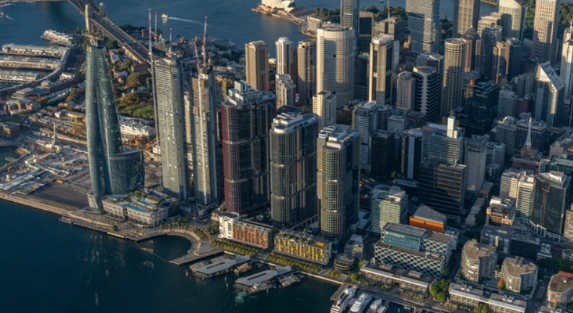
Sydney is one of Australia’s fastest-growing metropolitan cities—a place where heritage charm meets modern innovation. The skyline continues to evolve with skyscrapers, mixed-use developments, waterfront properties, and sustainable housing projects. But behind every structural marvel and beautifully planned suburb, there lies a key contributor: Builders in Sydney.
From residential expansions to commercial infrastructure, Sydney builders, contractors, architects, and developers play a crucial role in shaping the city’s future. Their work is not limited to construction alone—it’s a combination of planning, innovation, sustainability, and design that transforms blueprints into reality.
1. The Evolution of Sydney’s Architectural Identity
Sydney has always been admired for its seamless blend of iconic architecture and modern structural design. With a skyline recognised globally, the city’s visual identity is continuously evolving — and much of the credit goes to professional Builders in Sydney. These experts have been instrumental in transforming Sydney into a city that balances cultural heritage with cutting-edge development. From the sandstone buildings of The Rocks to the towering skyscrapers in Barangaroo, the influence of Sydney builders is evident in every corner.
Builders don’t just construct structures — they interpret architectural visions, local regulations, and community needs to bring them into reality. Their role includes adhering to strict compliance standards, heritage protection requirements, building codes, and environmental expectations. This ensures that construction projects preserve character while embracing innovation.
In neighbourhoods like Paddington, Redfern, and Balmain, builders specialise in restoring and upgrading historic homes while maintaining their original charm. Meanwhile, suburbs like Parramatta and Olympic Park are witnessing a surge in contemporary mixed-use developments featuring high-rise apartments, commercial towers, and recreational spaces.
Sydney’s architectural landscape is also influenced by collaborations among architects, engineers, developers, interior designers, and building consultants. Licensed builders in Sydney coordinate these professionals to achieve results that align with both aesthetic preferences and functional requirements.
As future architectural trends lean more towards minimalist living, modular structures, and sustainable urban planning, builders will continue to play a crucial part in defining Sydney’s visual future. The balance between past and present, heritage and modernity, is where their craftsmanship shines most. Ultimately, the evolution of Sydney’s architectural identity is a testament to the skills, knowledge, and forward-thinking approach of its building professionals.
2. Meeting Housing Demands Through Residential Construction
Sydney’s growing population has intensified the need for accessible, functional, and modern housing solutions. With rising urban density and increasing migration, the role of residential builders in Sydney has never been more important. These specialists are responsible for transforming vacant land, aging homes, and undeveloped plots into housing that supports modern living standards. Whether constructing single-family homes, duplexes, luxury villas, or high-rise apartments, Sydney builders are shaping the city’s residential growth and livability.
One of the major challenges in housing development is affordability — and builders are incorporating smarter, faster, and cost-efficient building techniques to address it. Modular construction, prefabricated elements, and compact living designs are becoming increasingly popular as residents look for housing options that are practical, sustainable, and financially accessible.
Beyond construction, builders must ensure compliance with government regulations including safety codes, planning approvals, zoning rules, BASIX standards, and environmental performance measures. This ensures that every residential structure contributes to the broader urban planning goals of durability, energy efficiency, and community development.
The demand for custom-built homes is also rising as homeowners seek personalised layouts, smart technology, eco-friendly features, and multi-generational living spaces. Builders now collaborate closely with designers, landscape architects, and eco-consultants to create homes that suit lifestyles rather than just shelter needs.
Retrofitting and renovation are another growing segment, especially in older suburbs rich in heritage architecture. Home builders in Sydney play a vital role in upgrading outdated structures while preserving aesthetics and improving energy efficiency.
In summary, residential construction in Sydney is not merely about supplying houses — it’s about delivering lifestyle-driven living spaces that support long-term community growth. As demand continues to rise, the contribution of builders remains fundamental to shaping a liveable and future-ready Sydney.
3. Strengthening Commercial Infrastructure and Economic Growth
Commercial construction has a transformative impact on Sydney’s economy, employment, and overall city function. Commercial builders in Sydney are responsible for shaping business districts, retail hubs, hospitality landmarks, and public-use buildings. From shopping centres and hotels to office towers and industrial parks, their work plays a direct role in supporting Sydney’s economic health and global competitiveness.
Sydney’s commercial growth is fuelled by urban expansion strategies, increasing global investment, and a thriving tourism and corporate sector. As a result, builders are now focusing on constructing multi-purpose commercial spaces that support technology integration, flexible use, sustainability, and accessibility. Modern office buildings, for example, now include smart workspaces, energy-efficient insulation, solar power systems, and green rooftop areas that enhance employee well-being.
These projects require collaboration with engineers, architects, developers, environmental planners, and government agencies. The coordination ensures that every building meets local compliance standards, fire safety regulations, accessibility laws, and environmental guidelines. Licensed builders also take responsibility for material quality, worker safety, construction timelines, and long-term maintenance outcomes — making them core contributors to the city’s development process.
In hospitality and retail projects, builders create spaces that attract tourism, enhance customer experience, and support business operations. Meanwhile, industrial construction — such as logistics facilities, warehouses, and transport hubs — plays a vital role in supporting imports, exports, e-commerce, and manufacturing activity.
Major government-led infrastructure projects such as rail networks, hospitals, schools, and airports also rely heavily on experienced commercial construction teams. These developments enhance connectivity, improve public services, and stimulate economic resilience across Greater Sydney.
In essence, commercial builders are not just constructing buildings — they are building opportunity, growth, and long-term economic infrastructure. Their work enables businesses to grow, industries to evolve, and the city to thrive as a global destination for investment and innovation.
4. Advancing Sustainable and Eco-Friendly Construction Practices
Sustainability is now a core priority in modern construction, and Builders in Sydney are leading the shift toward greener and more responsible building methods. As climate concerns rise and environmental policies become stricter, builders are increasingly adopting eco-friendly practices to reduce carbon footprint, conserve energy, and support long-term environmental stability.
Key sustainability efforts include using recycled and low-impact materials such as reclaimed timber, engineered stone, and lime-based products. Builders are also incorporating energy-efficient systems such as solar roofing, insulation upgrades, double-glazed windows, smart climate control technology, and rainwater harvesting solutions. These features not only reduce environmental impact but also lower utility expenses for home and building owners — making sustainability both ethical and economically appealing.
Certification frameworks such as Green Star, BASIX, NatHERS, and the NCC play a major role in guiding sustainable construction. Green builders in Sydney work closely with environmental engineers and sustainability consultants to ensure compliance with these evolving standards.
Additionally, construction waste reduction is a major focus. Prefabrication and modular building systems significantly cut down on-site waste, material transport, and energy consumption. Builders are also exploring carbon-neutral building options, eco-friendly concrete alternatives, and biodegradable construction materials — innovations once considered futuristic but now increasingly mainstream.
Urban green design is expanding rapidly, particularly in high-density developments. Green roofs, vertical gardens, community green spaces, and biodiversity-focused landscaping enhance liveability while supporting cleaner air and improved stormwater management.
Ultimately, sustainable construction goes beyond building structure — it focuses on creating healthy living environments, improving occupant well-being, and supporting long-term ecological balance. By embracing sustainability, Sydney builders are contributing to a cleaner, smarter, and more resilient future for the city — ensuring that development never comes at the cost of environmental responsibility.
5. Construction Technology and Innovation Shaping the Future
Technological advancement is transforming the way construction projects are planned, executed, and maintained. Today, Builders in Sydney are integrating digital tools, automation, and intelligent building systems to streamline processes and improve accuracy, productivity, and safety in construction.
One of the most impactful technologies is Building Information Modelling (BIM). This digital modelling system enables builders, architects, and engineers to visualise a structure before construction begins. BIM helps anticipate design clashes, improve cost forecasting, enhance accuracy, and minimise rework — ultimately reducing overall project time and expense.
Drones and satellite surveying tools are now used in land mapping, property inspections, and progress monitoring. These tools improve site accuracy, reduce manual labour risks, and provide real-time tracking capabilities. Robotics and automated machinery are beginning to play a role in tasks such as bricklaying, excavation, and repetitive heavy-duty operations, increasing worker safety and speeding up labor-intensive tasks.
Smart homes and smart commercial buildings are also becoming mainstream. Builders now incorporate automation systems for lighting, security, climate control, energy management, and access — transforming buildings into responsive, efficient environments. The integration of AI-driven systems ensures predictive maintenance, enhanced monitoring, and long-term operational efficiency.
Prefabrication and modular construction methods have significantly improved build timelines. These techniques allow structures to be assembled off-site under controlled manufacturing conditions and later installed on location, reducing delays caused by weather and site limitations.
Virtual Reality (VR) and Augmented Reality (AR) are being used for training, client presentations, design walkthroughs, and safety simulations — providing a deeper understanding of project outcomes before physical construction begins.
With innovation at the forefront, the future of construction in Sydney is becoming smarter, faster, and more connected. Builders who embrace advanced technology will continue shaping a modern, resilient, and forward-thinking urban landscape.
6. Community Development and the Human Impact of Urban Growth
Beyond buildings and infrastructure, the work of Builders in Sydney affects the social fabric of the city. Construction projects shape how people live, move, interact, and experience their surroundings. Public spaces such as schools, hospitals, community centres, parks, libraries, transport hubs, and recreation areas directly enhance the quality of life for Sydney residents.
Builders play an important role in creating these human-centered environments through inclusive design principles. Features such as wheelchair access, tactile flooring, community play zones, pedestrian pathways, bike-friendly infrastructure, and noise-controlled designs ensure that spaces accommodate diverse needs and promote accessibility for everyone.
Residential neighbourhoods benefit greatly from thoughtful construction planning. Better roads, improved drainage systems, utility infrastructure, and landscaping help create safe, connected, and visually appealing communities. Meanwhile, mixed-use developments introduce convenience by combining residential, retail, and leisure spaces into one walkable location — reducing commute time and traffic strain while supporting social engagement.
Community consultation is increasingly important in modern construction. Builders collaborate with councils, citizens, developers, and cultural groups to ensure that projects reflect community needs and values. Heritage preservation remains crucial in areas with historical significance, ensuring that Sydney’s identity and cultural memory remain intact.
Community-focused construction also influences public mental and physical well-being. Access to green spaces, natural light, exercise facilities, and innovation hubs contributes to healthier lifestyles and stronger community unity.
Whether creating a childcare centre, a government facility, or a recreational waterfront precinct, builders are shaping not just structures — but daily experiences, neighbourhood character, and the city’s collective identity.
Conclusion
The transformation of Sydney’s urban landscape is a result of strategic planning, innovation, sustainability, and the dedicated work of professional builders. From housing solutions and commercial spaces to technological advancements and community infrastructure, Builders in Sydney continue to shape a thriving, resilient, and future-ready city.
