
Introduction: How Developers Influence Brisbane’s Urban Identity
Real estate property developers in Brisbane play a central role in defining both the visual identity of the city and the everyday experience of its residents. Brisbane has evolved from a quiet riverside town into a fast-growing metropolitan hub, and this transformation is closely linked to strategic development initiatives. Developers identify land opportunities, assess community needs, coordinate with architects and planners, and deliver projects ranging from luxury high-rise towers to family-friendly suburban estates.
Their decisions influence where people live, how they commute, and the character of local business districts. Modern developers are not simply focused on constructing buildings; they integrate sustainability benchmarks, transport links, public amenities, and lifestyle features. As population growth accelerates and infrastructure expands, real estate developers in Brisbane must balance economic opportunity with environmental responsibility and urban livability. The skyline rising over the Brisbane River, along with the continually expanding suburbs, reflects thousands of such informed decisions. Every major residential tower, mixed-use precinct, or master-planned community represents years of planning, investment, and regulatory engagement.
In this way, developers serve as key agents of urban change, shaping the long-term form and function of the city. Their work influences housing affordability, job creation, tourism appeal, and the cultural vibrancy of neighborhoods. Understanding the role of real estate property developers in Brisbane is therefore essential to understanding how the city is growing, where it is expanding, and how future residents will experience life here.
Shaping Brisbane’s Iconic Skyline Through High-Rise and Mixed-Use Projects
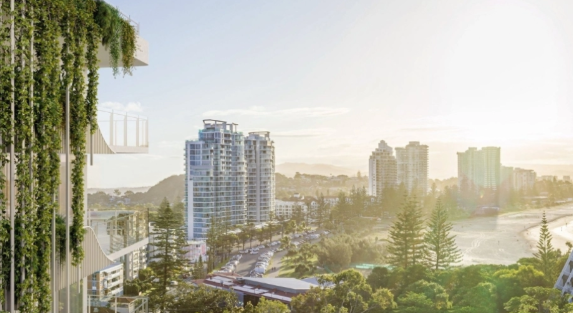
The skyline of Brisbane is one of the most visible expressions of the influence of real estate property developers in Brisbane. Towering residential complexes, premium office buildings, and mixed-use developments have changed the visual profile of the CBD and surrounding river precincts. These projects do more than add height; they consolidate living, working, leisure, and retail functions into compact vertical environments. Developers collaborate with urban planners, engineers, sustainability consultants, and international architectural firms to design structures that meet both regulatory requirements and market expectations.
High-rise developments cater to professionals, students, international investors, and downsizers who prioritize convenience and proximity to employment hubs. Mixed-use projects activate street life, encourage hospitality businesses, and promote walkability. Developers are also incorporating energy-efficient systems, green rooftops, water-saving technologies, and climate-resilient materials as Brisbane adapts to environmental challenges. In addition, landmark projects heighten the city’s tourism profile and attract corporate headquarters, thereby supporting economic growth. Brisbane’s skyline is a reflection of market confidence; cranes on the horizon signal investment momentum and future opportunity.
Through strategic site selection, financial planning, and risk management, real estate developers in Brisbane turn vacant or underutilized land into highly productive urban spaces. As a result, the modern skyline is not accidental; it is a purposeful composition created by developers who anticipate demographic trends, infrastructure rollouts, and lifestyle changes. Their decisions influence urban density, public transport integration, and the spatial distribution of commercial activity. Consequently, the skyline becomes a visual biography of Brisbane’s evolution and its aspirations as a contemporary global city.
Designing and Expanding Brisbane’s Suburbs and Residential Communities
Beyond the high-rises of the CBD, real estate property developers in Brisbane play a transformative role in shaping the city’s suburban landscape. Suburban development requires careful long-term planning that considers land availability, environmental constraints, and community infrastructure needs. Developers identify growth corridors near transport networks, schools, employment hubs, and recreational spaces, then design master-planned communities tailored to diverse household types.
These include young families seeking affordable entry-level homes, professionals preferring townhouses near transit, and retirees looking for low-maintenance living environments. Developers also collaborate with councils to integrate roads, parks, retail zones, healthcare facilities, and educational institutions. In doing so, they influence lifestyle patterns, community interaction, and future property values. Sustainable suburban development increasingly incorporates green spaces, walking paths, water-sensitive design, and energy-efficient building guidelines.
Real estate developers in Brisbane must balance the expansion of suburban housing with the protection of natural habitats and flood-plain management. They respond to rising demand created by interstate migration and population growth, ensuring adequate housing supply while managing density. Suburbs created or enhanced by strong development leadership often evolve into self-sufficient communities featuring local businesses, childcare centers, and social amenities. The role of developers extends beyond construction; they curate placemaking through thoughtful urban design that encourages belonging and neighborhood identity. Over time, these suburbs influence traffic patterns, public transport investments, and future commercial development. The expansion of Brisbane’s suburbs is therefore not spontaneous; it is actively shaped by developer strategy, community consultation, and policy alignment. As new residential precincts emerge, the work of real estate property developers in Brisbane continues to define how and where people live across the metropolitan region.
Economic, Social, and Environmental Impact of Real Estate Developers
The activities of real estate property developers in Brisbane generate wide-ranging economic, social, and environmental impacts. Economically, developers stimulate investment flows, create construction and service jobs, and broaden the city’s ratepayer base. Large developments support local suppliers, trades, engineers, architects, surveyors, and property management businesses. Completed projects also attract tenants, tourists, and new residents, contributing to retail spending and regional GDP.
Socially, developers shape access to housing, community cohesion, and quality of life. By delivering diverse housing types—apartments, townhouses, detached homes, and affordable housing initiatives—real estate developers in Brisbane influence inclusivity and demographic diversity. They also facilitate social spaces such as plazas, community halls, and recreational parks, encouraging interaction and wellbeing. Environmentally, responsible development now prioritizes sustainable design. Developers must adhere to planning legislation, flood-risk controls, bushfire management regulations, and heritage protections.
Increasingly, they integrate renewable energy systems, efficient waste management, low-emission materials, and urban greening initiatives. This environmental stewardship is critical in a subtropical city facing heat, extreme rainfall, and coastal considerations. At the same time, developers manage complex challenges such as zoning approvals, infrastructure capacity, construction cost inflation, interest rate fluctuations, and evolving consumer preferences. Their role requires long-term vision, capital management, stakeholder engagement, and regulatory navigation.
In short, the influence of real estate property developers in Brisbane extends far beyond physical structures; it permeates economic structures, social fabric, and ecological resilience. The city visible today—and the one emerging tomorrow—is a direct outcome of these interconnected impacts managed by the development industry.
Collaboration with Government, Planners, and Community Stakeholders
Real estate property developers in Brisbane do not operate in isolation; their success depends on robust collaboration with multiple stakeholders, including local councils, state government agencies, urban planners, community groups, and infrastructure authorities. Every development—from a boutique apartment building to a large master-planned estate—must navigate planning schemes, zoning regulations, environmental assessments, and public consultation processes.
Developers engage town planners to prepare development applications, traffic impact analyses, and environmental management plans. They also work with transport authorities to ensure appropriate access, parking solutions, and integration with bus and rail networks.
Community engagement is increasingly emphasized in Brisbane’s planning landscape. Residents provide feedback on density, building height, heritage preservation, and neighborhood character. Successful real estate property developers in Brisbane conduct consultation sessions, information evenings, and digital surveys to understand local sentiment and refine project outcomes. This approach reduces conflict, improves transparency, and builds trust.
Governments rely on developers to support population growth objectives, housing supply targets, and urban renewal initiatives. In turn, developers rely on government investment in major infrastructure such as roads, hospitals, schools, and public transport corridors. Public–private cooperation is therefore fundamental to Brisbane’s ongoing development trajectory. Incentives such as density bonuses for affordable housing, sustainability certification programs, and urban renewal precincts encourage innovative outcomes.
Through these partnerships, real estate developers in Brisbane help deliver stronger communities rather than isolated buildings. They contribute to structure plans, flood mitigation responses, heritage-sensitive redevelopment, and long-term city-shaping initiatives such as transit-oriented developments near railway stations. This collaborative model demonstrates that development is not simply commercial activity; it is coordinated city-building involving governance, policy, and community voice.
As Brisbane continues to grow toward becoming a larger global city, these cooperative relationships will remain central to achieving balanced outcomes across economic growth, social wellbeing, and environmental stewardship.
Challenges Faced by Real Estate Developers in Brisbane’s Evolving Market
While the impact of real estate property developers in Brisbane is significant, the industry also faces complex challenges that shape decision-making and project delivery. One major challenge is market volatility, influenced by interest rates, construction material costs, labor availability, and consumer confidence. Fluctuating financial conditions affect project feasibility, pricing strategies, and demand for residential and commercial property. Developers must manage risk through careful financial modeling, diversified portfolios, and flexible staging of projects.
Planning and approval timelines are another key constraint. Navigating regulatory requirements, environmental approvals, heritage overlays, and infrastructure contributions can be lengthy and costly. Real estate developers in Brisbane must balance compliance obligations with project deadlines and investor expectations. Land availability presents an additional challenge as desirable inner-city locations become scarce and competition intensifies for redevelopment sites.
Environmental risk is especially relevant in Brisbane’s subtropical climate. Flood resilience, stormwater management, and heat mitigation design are essential considerations, particularly in riverfront and low-lying areas. Developers must integrate robust engineering and sustainability solutions to protect residents and assets.
Consumer expectations are also evolving. Buyers and tenants increasingly seek energy-efficient homes, smart-technology integration, communal amenities, and proximity to lifestyle precincts. Developers are required to innovate continuously to remain competitive. Additionally, public perception of development can sometimes be contentious, especially regarding density, traffic impacts, or perceived overdevelopment. This necessitates strong community consultation and reputation management.
Despite these challenges, experienced real estate property developers in Brisbane continue to deliver transformative projects through strategic foresight and adaptability. Their ability to innovate in design, financing, construction, and stakeholder engagement determines not only business success but also the trajectory of Brisbane’s urban evolution. By addressing challenges proactively, developers help ensure that growth remains sustainable, inclusive, and aligned with long-term city objectives.
Future Outlook: How Developers Will Shape Brisbane in the Coming Decades
The future role of real estate property developers in Brisbane will be defined by innovation, sustainability, and strategic urban consolidation. Population growth forecasts, interstate migration trends, and major infrastructure investments such as transportation upgrades and Olympic-related developments will drive significant demand for new housing and mixed-use precincts. Developers will lead the delivery of higher-density living near transit hubs, creating more walkable neighborhoods that reduce reliance on private vehicles.
Technology will become increasingly embedded in development processes and final products. Data analytics, digital twinning, modular construction, and smart-building systems will help developers optimize design efficiency and energy performance. Real estate developers in Brisbane are expected to adopt net zero building standards, green roofs, renewable energy integration, and advanced water-sensitive urban design practices. These sustainability-driven initiatives will support climate resilience and environmental responsibility.
Urban renewal will also intensify. Underutilized industrial areas, aging commercial strips, and older housing stock will be revitalized into vibrant residential and commercial zones. Developers will curate lifestyle-focused communities that integrate retail, hospitality, green space, and cultural activity.
Affordability and accessibility will remain key policy priorities, encouraging partnerships between developers and government to deliver social housing and build-to-rent projects. The rise of co-living, downsizer apartments, and flexible workspaces will reshape market demand.
Over the coming decades, the influence of real estate property developers in Brisbane will continue to be visible in the skyline, along riverside precincts, and across expanding suburban corridors. Their strategic decisions will determine how efficiently land is used, how resilient the city is to climate challenges, and how future generations live, work, and connect. As Brisbane positions itself as an increasingly significant Asia–Pacific city, developers will remain central architects of its physical form and urban identity.
Conclusion: Developers as Key Shapers of Brisbane’s Present and Future
In summary, real estate property developers in Brisbane are fundamental to the evolution of the city’s skyline, suburbs, economy, and social landscape. Their work extends beyond constructing buildings; they influence urban design, infrastructure alignment, environmental outcomes, and community character. Through high-rise projects, suburban master planning, and urban renewal initiatives, developers directly shape how residents experience housing, mobility, employment, and lifestyle.
They collaborate with government agencies, planners, and community stakeholders to deliver projects that meet regulatory requirements and respond to public needs. They navigate complex challenges—including market fluctuations, environmental risk, and evolving consumer expectations—while continuing to drive growth and innovation across the property sector.
Looking ahead, the role of real estate developers in Brisbane will become even more strategic as the city grows, densifies, and modernizes. Their commitment to sustainability, smart technology integration, affordability solutions, and resilient design will help Brisbane meet the demands of a changing climate and expanding population.
Ultimately, the skyline that rises above the river, the vibrant mixed-use precincts, and the carefully planned suburbs all bear the imprint of development industry leadership. Understanding the critical role of real estate property developers in Brisbane therefore provides insight not only into how the city looks today but also how it will transform in the decades ahead.
