
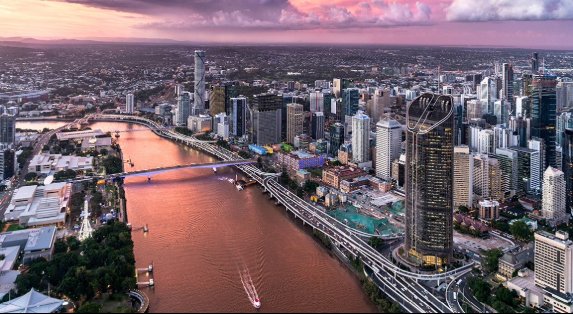
1. Introduction: Brisbane’s Rise as a Property Development Hotspot
Over the past decade, Brisbane has emerged as one of Australia’s most attractive destinations for large-scale real estate investment and urban development. This transformation is not accidental; it is driven by a combination of strategic infrastructure planning, population growth, and a government committed to sustainable expansion. As a result, real estate developers in Brisbane are capitalising on a rare opportunity: a city that offers both the space and the momentum for significant long-term projects.
Brisbane’s evolution into a development powerhouse is also rooted in its balanced urban environment. The city blends metropolitan amenities with suburban tranquillity, making it appealing to families, young professionals, and investors alike. Property demand has surged across residential, commercial, and mixed-use developments, encouraging top property developers in Brisbane to deliver innovative, community-centric projects. These developers are not only shaping the city’s skyline but are also defining new standards of architecture, liveability, and sustainability.
Furthermore, Brisbane’s cost competitiveness compared to Sydney and Melbourne has positioned it as a more accessible market for both investors and developers. Land availability, lower entry costs, strategic zoning policies, and ongoing infrastructure upgrades combine to create a development landscape with enormous potential.
Behind this momentum is a network of experienced and visionary Brisbane real estate developers who are responding to the city’s growth with data-driven planning and high-quality construction. Their contributions extend beyond buildings; they are cultivating vibrant precincts, enhancing transport connectivity, and supporting economic diversification across the region.
As Brisbane prepares to host global events and welcome new waves of investment, its real estate sector is entering a period of unprecedented opportunity. It is this combination of economic confidence, population expansion, policy support, and developer expertise that has firmly placed Brisbane at the forefront of Australia’s property development future.
2. Population Growth and Demographic Shifts Driving Development
One of the most influential factors contributing to Brisbane’s rise in property development is its rapid and sustained population growth. The city has become a preferred relocation destination for individuals and families seeking affordability, employment opportunities, and enhanced quality of life. This demographic influx is compelling real estate developers in Brisbane to accelerate the creation of residential communities and high-density housing that cater to the city’s expanding population.
An important demographic trend shaping the real estate landscape is the migration of young professionals and skilled workers from other major Australian cities. Drawn by Brisbane’s thriving job market, lifestyle appeal, and comparatively lower living costs, this population segment is reshaping housing preferences. Developers are responding by prioritising apartment living, mixed-use precincts, and walkable neighbourhoods that accommodate urban lifestyles.
In addition, the city has experienced increased international migration, contributing to a more diverse and dynamic community. This is placing pressure on both rental and housing markets, creating consistent demand across multiple property categories. Top property developers in Brisbane have broadened their focus beyond simply building homes to designing inclusive, adaptable spaces that resonate with multicultural communities.
The rise in student populations, due to the presence of globally recognised universities and vocational institutions, is further driving development. Purpose-built student accommodation, co-living facilities, and affordable rental properties are now seen as high-value development opportunities.
Brisbane’s ageing population is also shaping development priorities. There is growing demand for retirement living, aged care communities, and healthcare-integrated residential precincts. Smart real estate developers recognise this as a long-term investment sector with stable returns.
Altogether, these demographic shifts underscore the need for strategic property planning. Real estate developers in Brisbane are leveraging population data, future projections, and lifestyle analysis to construct developments that are not only functional but deeply aligned with evolving community needs.
3. Infrastructure Investment and Urban Transformation
Brisbane’s property development boom is strongly supported by extensive infrastructure investments that are reshaping the city’s urban landscape. Government-backed projects such as Cross River Rail, Brisbane Metro, the Queen’s Wharf precinct, and various transport upgrades have directly enhanced accessibility and liveability, making the city more desirable for residents and investors. These enhancements are empowering real estate developers in Brisbane to plan and execute large-scale projects with confidence, knowing the city’s infrastructure backbone can support sustained growth.
Cross River Rail, one of the largest public transport infrastructure projects in Queensland, is a prime example. The improved connectivity it provides between northern and southern regions of the city is expected to stimulate residential and commercial developments around new station precincts. Developers see these areas as high-value growth corridors, ideal for transit-oriented developments that integrate housing, retail, and workspaces.
Brisbane Metro is also shaping the future of mobility by offering more efficient public transportation. As travel becomes faster and more convenient, demand for properties near major transport routes is increasing. Real estate developers are strategically targeting these zones to create innovative mixed-use communities that support a car-lite lifestyle.
Urban regeneration initiatives, such as the redevelopment of older industrial zones into modern residential and commercial hubs, further highlight Brisbane’s transformation. Riverfront precincts, cultural spaces, and new business districts are being designed to rejuvenate previously underutilised land.
The upcoming Brisbane 2032 Olympic Games is another pivotal driver. It is expected to deliver billions of dollars in infrastructure and stimulate unprecedented construction activity. Real estate developers in Brisbane are actively preparing for long-term demand for hotels, retail spaces, transport nodes, and residential hubs associated with the event.
Ultimately, Brisbane’s infrastructure pipeline has created a strong foundation for sustainable development. It provides developers with clarity and stability, allowing them to deliver high-quality projects that support the city’s long-term urban vision.
4. Economic Strength and Government Support for Development
Brisbane’s economic resilience is a key factor in its emergence as a top destination for property development. The city has demonstrated consistent economic growth driven by strong performance in sectors such as finance, technology, education, tourism, and healthcare. This diversified economy reduces risk and attracts large-scale investment. Real estate developers in Brisbane recognise this stability as a major advantage when planning long-term, high-value projects.
Government policies have also significantly contributed to Brisbane’s attractiveness for development. Pro-investment initiatives, streamlined approval processes, targeted grants, and zoning flexibility have created an environment where both local and international developers can operate efficiently. This regulatory support not only encourages more development but also sets clear pathways for future expansion.
Tax incentives and infrastructure funding at local and state levels further enhance development viability. Brisbane’s urban policies focus on sustainable growth, community liveability, and balanced density, allowing developers to work confidently within well-defined planning frameworks.
The city’s strong employment market also fuels sustained housing demand. As job opportunities increase, populations shift closer to economic hubs, creating continuous need for residential and commercial spaces. Developers are responding by creating integrated precincts that support both living and working environments.
Another key driver is foreign investment. Brisbane’s favourable market conditions, combined with Australia’s strong economic reputation, continue to attract international investors seeking stable returns. This inflow of capital empowers top property developers in Brisbane to pursue ambitious, large-scale projects that elevate the city’s status.
In addition, Brisbane’s focus on innovation and sustainability plays a crucial role in future-proofing the development landscape. Smart infrastructure, green building standards, and environmentally conscious planning are increasingly shaping development strategies.
Overall, supportive government frameworks, robust economic performance, and a stable investment climate make Brisbane an exceptionally promising environment for real estate developers aiming to build for long-term success.
5. The Role of Real Estate Developers in Shaping Brisbane’s Future
Real estate developers in Brisbane are not merely constructing buildings; they are deeply influencing the city’s long-term identity, economic future, and quality of life. Their role extends beyond development projects to shaping communities, fostering innovation, and contributing to economic and social progress across the region.
One of their most significant contributions is the creation of integrated, future-focused precincts that blend residential, commercial, recreational, and cultural spaces. These developments promote walkability, sustainability, and community interaction, all of which enhance urban living. Top developers in Brisbane prioritise masterplanning strategies that support both present needs and future urban growth trends.
Innovation is another defining characteristic of Brisbane’s leading developers. With growing demand for sustainable construction, developers are adopting eco-friendly materials, renewable-energy solutions, energy-efficient designs, and green building certifications. This commitment aligns Brisbane with global development standards and contributes to a more climate-resilient built environment.
Developers also play a crucial role in economic expansion. Large-scale construction projects generate jobs, stimulate regional supply chains, and attract further investment. By bringing new businesses, retail centres, and commercial hubs to market, developers help diversify Brisbane’s economy.
Community-centred development is increasingly prioritised. Developers now engage in extensive consultation processes with residents, stakeholders, and local councils to ensure new projects enhance local character and meet community needs. This collaborative approach results in developments that are more accepted, sustainable, and impactful.
Furthermore, real estate developers serve as strategic partners in government-led initiatives such as urban renewal and transport-oriented development. Their involvement ensures that the city’s growth aligns with broader planning objectives, ensuring balanced progression across all suburbs.
In essence, the future of Brisbane is intricately connected to the vision, expertise, and commitment of its development community. Their strategic decisions today will define the city’s skyline, livability, and economic competitiveness for decades to come.
6. Impact of the Brisbane 2032 Olympic Games on Property Development
The upcoming Brisbane 2032 Olympic Games represent one of the most transformative opportunities in the city’s history, significantly accelerating its attractiveness as a premier destination for property development. Real estate developers in Brisbane are positioning themselves strategically to capitalise on the long-term benefits expected from this global event. Unlike short-term spikes seen in other cities, Brisbane’s growth trajectory is projected to be long-lasting due to the extensive infrastructure, urban renewal, and economic reinvigoration linked to the Games.
A major impact of the Olympics is the creation and enhancement of essential transport networks, sporting precincts, and community facilities. These projects encourage the development of new residential zones, commercial spaces, and hospitality assets. Property developers are anticipating strong demand for apartments, short-term accommodation, mixed-use buildings, and entertainment hubs surrounding Olympic precincts and key event venues.
The Games are also expected to stimulate demand for high-quality housing as international visitors, investors, and skilled professionals relocate to Brisbane. This influx will elevate the city’s global profile, attracting new development partners and strengthening the confidence of established real estate developers in Brisbane. The resulting growth is not limited to the inner city; suburban areas located near upgraded transport corridors or event-related development zones are also poised for expansion.
Urban regeneration efforts associated with the Olympics are creating vibrant, modern precincts designed for long-term community benefit. Developers are playing a crucial role in transforming underutilised or ageing areas into lively districts with cultural venues, open green spaces, and sustainable infrastructure. These precincts are expected to enhance Brisbane’s liveability well beyond 2032.
Overall, the Olympics serve as a catalyst for sustained growth rather than a one-time event. With strategic planning, investment certainty, and global visibility, property developers are instrumental in shaping a Brisbane that is prepared not only for the Games but for decades of future economic and urban advancement.
7. Sustainability and Smart Development Leading the Future
Sustainability has become a defining factor in modern property development, and Brisbane stands at the forefront of this shift. Real estate developers in Brisbane are increasingly incorporating environmentally conscious strategies as both government regulations and market expectations evolve. This commitment to sustainable development is influencing design choices, construction methods, and long-term planning across residential, commercial, and mixed-use projects.
Energy-efficient architecture, renewable energy solutions, and innovative water management systems are now standard features in new developments. Developers are integrating solar energy, green roofs, natural ventilation designs, and insulation technologies to reduce carbon footprints and operational costs. These energy-saving features appeal to environmentally conscious buyers and tenants who prioritise sustainability when choosing properties.
Smart technology is also transforming Brisbane’s development landscape. The city is seeing a rise in smart homes and connected communities where Internet of Things (IoT) systems control lighting, security, temperature, and energy usage. Forward-thinking property developers in Brisbane understand that smart development not only enhances convenience but also improves long-term sustainability through data-driven resource management.
Sustainable community planning is another major trend. Developers are incorporating green parks, pedestrian-friendly walkways, bike lanes, and recreation zones to promote wellness and reduce dependence on cars. By designing communities that encourage outdoor activity and social interaction, developers contribute to healthier, more vibrant neighbourhoods.
Waste reduction strategies, eco-friendly materials, and sustainable construction practices are being widely adopted as well. Developers are increasingly investing in recycled materials, low-impact building methods, and partnerships with sustainability consultants to achieve high environmental ratings such as Green Star or NABERS.
This combined focus on sustainability, innovation, and technology positions Brisbane as a model for future-ready development. Through these initiatives, real estate developers are not only meeting market demand but also shaping a resilient, environmentally conscious city capable of supporting long-term growth.
8. Conclusion: The Future of Property Development in Brisbane
Brisbane’s property development sector is entering a dynamic new era defined by innovation, expansion, and long-term strategic planning. The city’s rapid population growth, strong economic foundations, progressive government policies, and investments in world-class infrastructure create an environment where major development opportunities continue to flourish. Real estate developers in Brisbane are at the centre of this evolution, shaping the city’s skyline and contributing to a sustainable and prosperous future.
The influence of upcoming global events such as the Brisbane 2032 Olympics, combined with ongoing urban transformation efforts, will ensure steady demand for residential, commercial, retail, and mixed-use developments for years to come. Developers have a crucial responsibility to create high-quality projects that address the needs of a diverse population, support employment growth, and enhance the overall liveability of the city.
Equally important is the shift toward sustainable and smart development practices. As climate resilience and environmental stewardship become non-negotiable standards, Brisbane’s developers are embracing technology-driven and eco-friendly construction methodologies. Their commitment to sustainable communities not only aligns with global trends but also elevates Brisbane’s reputation as a leader in modern property planning.
Looking ahead, the future of property development in Brisbane is defined by balance—balancing growth with sustainability, modernity with community, and innovation with functionality. As long as developers continue to adopt a strategic, forward-looking approach, the city will maintain its position as one of Australia’s most desirable markets for investment and urban development.
Ultimately, Brisbane’s transformation into a premier destination for property development is the result of collaborative efforts between government, industry, and visionary developers. Their combined contributions ensure that Brisbane is not just growing—it is evolving into a world-class city ready to meet the needs of future generations.
