
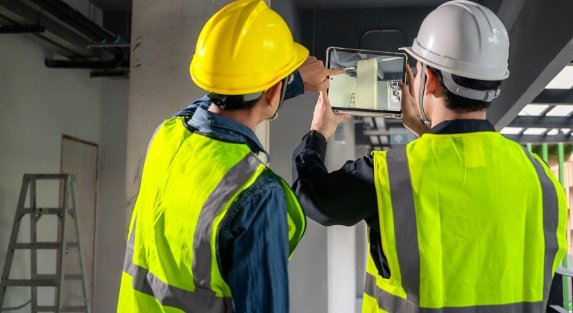
Every construction project begins with a plan, a budget, and a vision of what the finished building should look like. However, turning that vision into reality requires more than drawings, schedules, and contractor agreements. It requires regular monitoring of what is happening on the construction site.
A project may appear to be progressing smoothly on paper, but small issues can develop behind the scenes. Materials may not meet specifications, work may fall behind schedule, or safety concerns may go unnoticed. If these problems are discovered too late, they can lead to costly delays and unnecessary complications.
This is why regular site inspections are an essential part of effective construction project management. For property developers, commercial businesses, and building owners, professional construction management services in Brisbane help ensure that projects remain organised, safe, and aligned with their original objectives.
What Are Site Inspections in Construction Project Management?
A site inspection is a systematic review of construction activities, materials, workmanship, safety conditions, and project progress.
During an inspection, construction managers or relevant professionals assess whether the work being carried out meets the approved plans, specifications, quality standards, and applicable requirements.
Site inspections may take place at different stages of a project, including:
- Before construction begins
- During excavation and foundation work
- While structural components are being installed
- During electrical, plumbing, and mechanical work
- Before completing internal and external finishes
- During final project handover
The purpose is not simply to identify mistakes. Regular inspections help detect potential problems early, improve coordination, and maintain greater control over the overall construction process.
1. Identifying Construction Issues Before They Become Expensive
One of the biggest advantages of regular site inspections is the ability to identify problems at an early stage.
For example, imagine a contractor installs materials that do not match the approved specifications. If the issue is discovered immediately, correcting it may require only a small adjustment.
However, if the same issue remains unnoticed until several construction stages have been completed, fixing it could involve removing finished work, purchasing replacement materials, and delaying other contractors.
These situations can increase project costs significantly.
With professional construction management services in Brisbane, regular site monitoring helps identify discrepancies before they affect other parts of the project.
Early detection allows project teams to address issues while they are still manageable, helping reduce rework and unnecessary expenses.
2. Maintaining Construction Quality and Workmanship
A successful construction project is not measured only by whether it is completed on time. The quality of the finished structure is equally important.
Poor workmanship, incorrect material installation, and deviations from approved specifications can affect a building’s durability, functionality, and long-term performance.
Regular site inspections help ensure that construction activities follow the required quality standards.
Construction managers can review:
- Material quality and suitability
- Installation methods
- Structural work and finishing quality
- Compliance with project specifications
- Work completed by subcontractors
- Progress against approved drawings
Maintaining quality throughout the construction process is much more effective than attempting to correct multiple defects at the end.
For businesses investing in commercial construction management in Brisbane, quality inspections provide greater confidence that the project is progressing according to the agreed standards.
3. Keeping Construction Projects on Schedule
Construction schedules often involve multiple contractors, suppliers, and specialised teams working together.
A delay in one activity can affect several others. For example, if structural work is not completed on time, electrical installations, plumbing, and internal finishing may also be delayed.
Regular site inspections allow project managers to compare actual progress with the planned schedule.
If an activity is falling behind, the project team can investigate the reason and take corrective action.
This may involve:
- Adjusting contractor schedules
- Coordinating material deliveries
- Resolving site access issues
- Reallocating resources
- Prioritising critical construction activities
Effective construction project management services help maintain better visibility over project timelines and reduce the likelihood of unexpected delays.
4. Improving Construction Site Safety
Construction sites involve several potential hazards, including working at heights, heavy machinery, electrical equipment, excavation activities, and material handling.
A safe working environment requires ongoing attention rather than occasional checks.
Regular inspections help identify unsafe conditions and encourage workers to follow established safety procedures.
During site reviews, relevant personnel may assess:
- Access routes and site housekeeping
- Personal protective equipment
- Equipment condition
- Fall protection measures
- Hazardous material storage
- Emergency access and safety signage
Identifying safety concerns early can help prevent incidents and support a safer working environment for everyone involved.
Construction managers should work with qualified safety professionals where required to ensure that inspections and corrective actions meet applicable workplace health and safety obligations.
5. Improving Communication Between Contractors and Stakeholders
Construction projects rarely involve just one team.
Architects, engineers, contractors, subcontractors, suppliers, and property owners all contribute to the process. Without clear communication, misunderstandings can affect project quality and progress.
Regular site inspections create opportunities for project teams to discuss current activities, clarify technical requirements, and resolve concerns.
For example, a site inspection may reveal that a contractor is working from outdated drawings. Addressing this issue immediately can prevent incorrect installation and costly rework.
Professional construction management services in Brisbane help maintain communication between stakeholders by documenting inspection findings, assigning responsibilities, and following up on outstanding issues.
This creates a more transparent project environment where everyone understands what needs to be completed and when.
6. Supporting Budget Control and Cost Management
Construction budgets can change when unexpected problems arise.
Material wastage, defective work, poor coordination, and project delays may all contribute to additional expenses.
Regular site inspections help project teams identify activities that could affect the budget.
For example, if materials are being stored incorrectly and exposed to damage, the project may incur replacement costs. Similarly, identifying incomplete or defective work before payment assessments can help ensure that financial decisions are based on verified progress.
Construction management and project monitoring services support better cost control by connecting site observations with project budgets, schedules, and resource planning.
Although inspections cannot eliminate every financial risk, they can help reduce avoidable costs and improve budget visibility.
7. Ensuring Compliance With Approved Plans and Requirements
Construction projects must follow approved designs, technical specifications, contractual requirements, and applicable regulations.
Failure to meet these requirements can create complications during inspections, approvals, or project handover.
Regular site inspections help identify deviations from approved plans and allow the responsible professionals to determine the appropriate corrective action.
In Brisbane, construction projects may also need to comply with relevant Queensland building regulations, local approval conditions, and workplace health and safety requirements.
The specific inspection responsibilities depend on the project, contractual arrangements, and statutory requirements. Construction management teams should coordinate with appropriately qualified building certifiers, engineers, and other specialists where necessary.
Maintaining compliance throughout the project helps reduce the risk of avoidable issues during the final stages.
8. Making Project Handover Smoother
The final stage of construction can become stressful when defects, incomplete work, or missing documentation are discovered at the last minute.
Regular inspections throughout the project help reduce the number of outstanding issues before handover.
Construction teams can maintain inspection records, track defects, and verify that corrective work has been completed.
This makes the final review more organised and helps ensure that important project information is available to the owner.
A structured inspection process can also support the preparation of defect lists, completion records, and relevant handover documentation.
For property owners and developers, a smoother handover means fewer unresolved concerns and a clearer understanding of the completed project.
How Often Should Construction Site Inspections Take Place?
The frequency of site inspections depends on the size, complexity, risk level, and stage of the construction project.
Some activities may require daily monitoring, while other inspections may be scheduled weekly or at specific construction milestones.
A practical inspection schedule may include:
| Construction Stage | Inspection Focus |
|---|---|
| Pre-construction | Site conditions, access, planning, and readiness |
| Foundation stage | Excavation, reinforcement, and foundation work |
| Structural stage | Structural components and workmanship |
| Services installation | Electrical, plumbing, and mechanical coordination |
| Finishing stage | Flooring, painting, fixtures, and final details |
| Handover stage | Defects, completion checks, and documentation |
The important point is consistency. Inspections should be planned around the activities that carry the greatest quality, safety, or project delivery risks.
Why Professional Construction Management Services Make a Difference
Managing a construction project requires constant coordination, decision-making, and attention to detail.
For property developers and business owners, handling these responsibilities independently can become challenging, particularly when multiple contractors and construction activities are involved.
Professional construction management services in Brisbane provide structured project oversight, helping clients monitor progress, coordinate stakeholders, manage risks, and maintain quality throughout the construction process.
With the right construction management approach, site inspections become more than routine checks. They become a practical tool for protecting project investments and supporting better outcomes.
Conclusion
Regular site inspections are an essential part of successful construction project management. They help identify problems early, maintain construction quality, improve safety, control costs, and keep projects moving according to plan.
A construction project involves many moving parts, and even small issues can create significant consequences when left unresolved. Consistent site monitoring helps bring those issues to light before they become difficult to manage.
For businesses and property developers planning a construction project in Brisbane, investing in professional construction management support can make the entire process more organised and transparent.
Planning a Construction Project in Brisbane?
Whether you are developing a commercial property, expanding your business premises, or managing a complex building project, reliable project oversight can make a meaningful difference.
Looking for dependable construction management services in Brisbane? Get in touch with an experienced construction management team to discuss your project requirements, improve site coordination, and keep your construction goals on track.
Build with greater confidence through effective planning, regular inspections, and professional project management.
